At the start of a production, or when launching your own company, selecting stage lights can be extremely stressful for lighting designers. I’m not referring to designers who source fixtures long-term from fixed manufacturers, but those who independently gather market information on their own.
Many manufacturers normally release new models every quarter to half a year. These fixtures come with varied pricing and positioning. With so many options available, your real requirements can easily get lost amid this overwhelming range of equipment. You may find yourself focusing solely on comparing different lights, forgetting your actual needs, and even being forced to abandon your original creative concept.
My advice: focus on two core aspects — graphics and colour.
Graphic functions include beam shaping, gobos, iris control and so on. Colour performance covers colour temperature, colour rendering and colour gamut.
To elaborate a little: if graphics are your priority, pay more attention to beam uniformity, edge sharpness, optical modules such as prisms, mechanical control modules like irises, focusing speed and auto-focus capability. For colour performance, it mainly depends on the light source, together with colour temperature consistency, richness of colour wheel options, and the linearity of the colour mixing system.
I won’t list every detail here. If you don’t understand these basics yet, hold off on visiting lighting markets — the industry can be tricky. Once you answer the fundamental question: “What exactly do I need?”, you can truly focus on selecting the right category of fixtures instead of getting lost among millions of product models.
I have summarised them into five categories below.
Spot/ Profile light
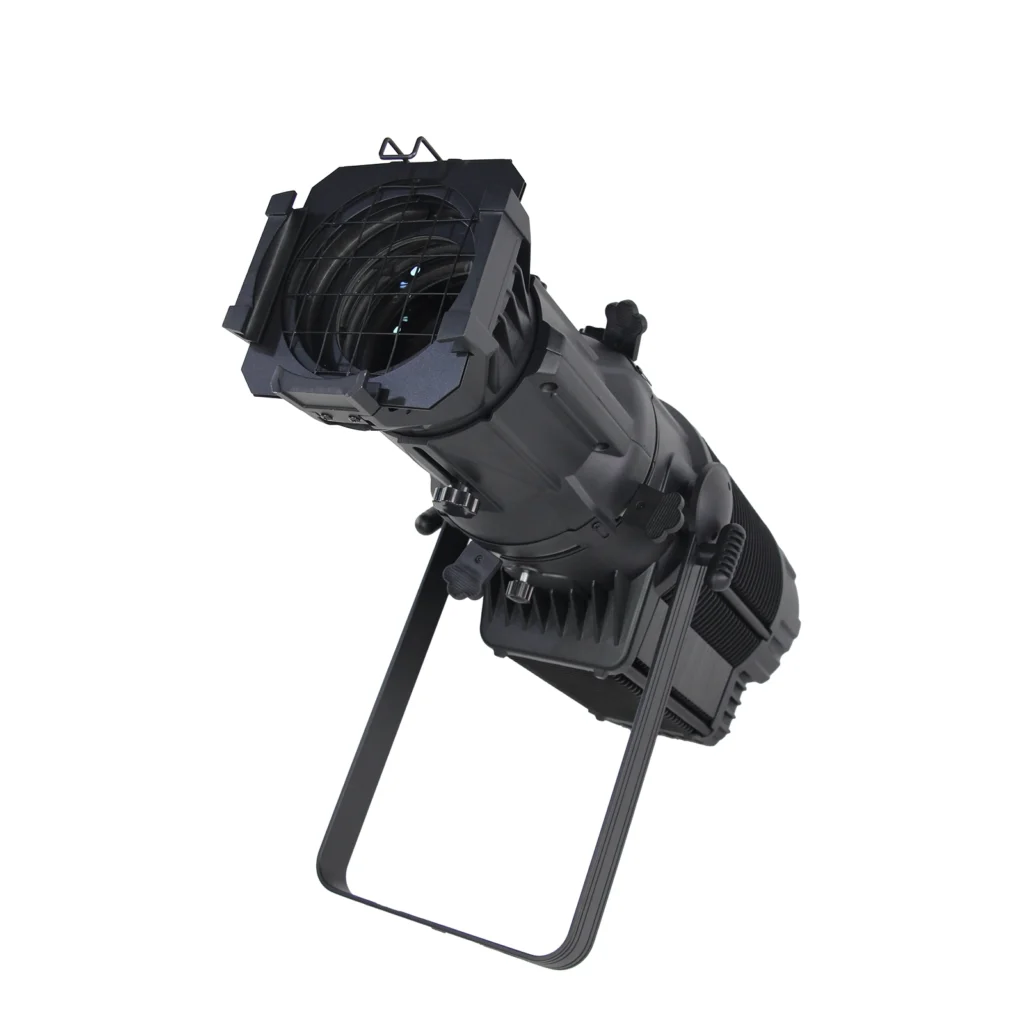
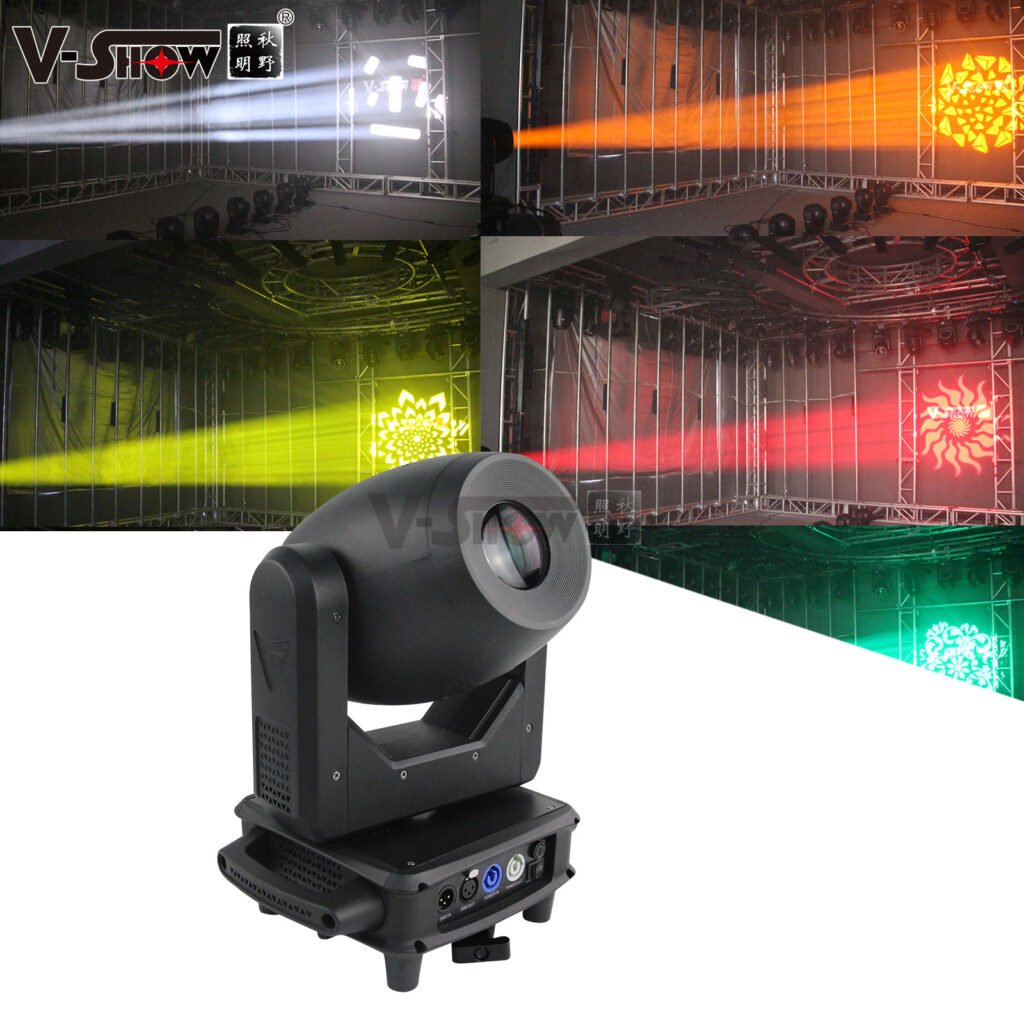
Profile and spot lights share similar internal construction. They project crisp gobos and render clear visible beam paths in the air. When choosing this type of luminaire, focus on the quantity and sharpness of gobos, zoom range and beam control capability.
Wash light
Wash lights deliver even, soft illumination. Their output closely resembles traditional Fresnel lanterns. They usually lack gobos, prisms and other features, making their mechanical structure simpler, so they are generally cheaper than moving profile or gobo lights.
When selecting wash lights, prioritise colour variety and colour mixing performance. However, with the rise of multi-functional hybrid fixtures, dedicated standalone wash lights are becoming less common.
Beam light
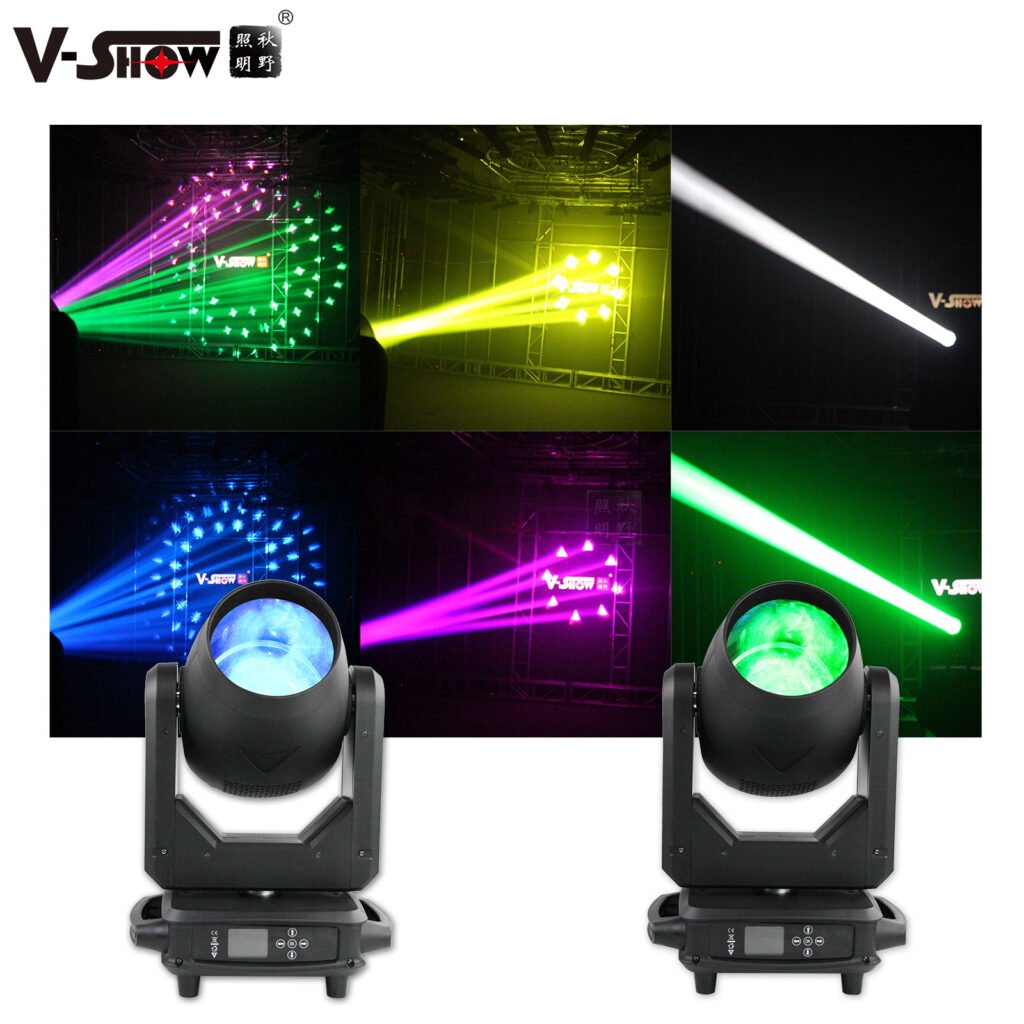
The primary purpose of moving beam lights is to render visible beam paths in the air with haze. They produce tight, high-intensity beams, resembling a thick laser. Many of these fixtures include gobo, zoom and prism modules. Brightness, service life and versatility are key considerations.
Moreover, countless manufacturers produce beam lights now, with inconsistent quality across brands. Think carefully before purchasing.
Hybrid Light
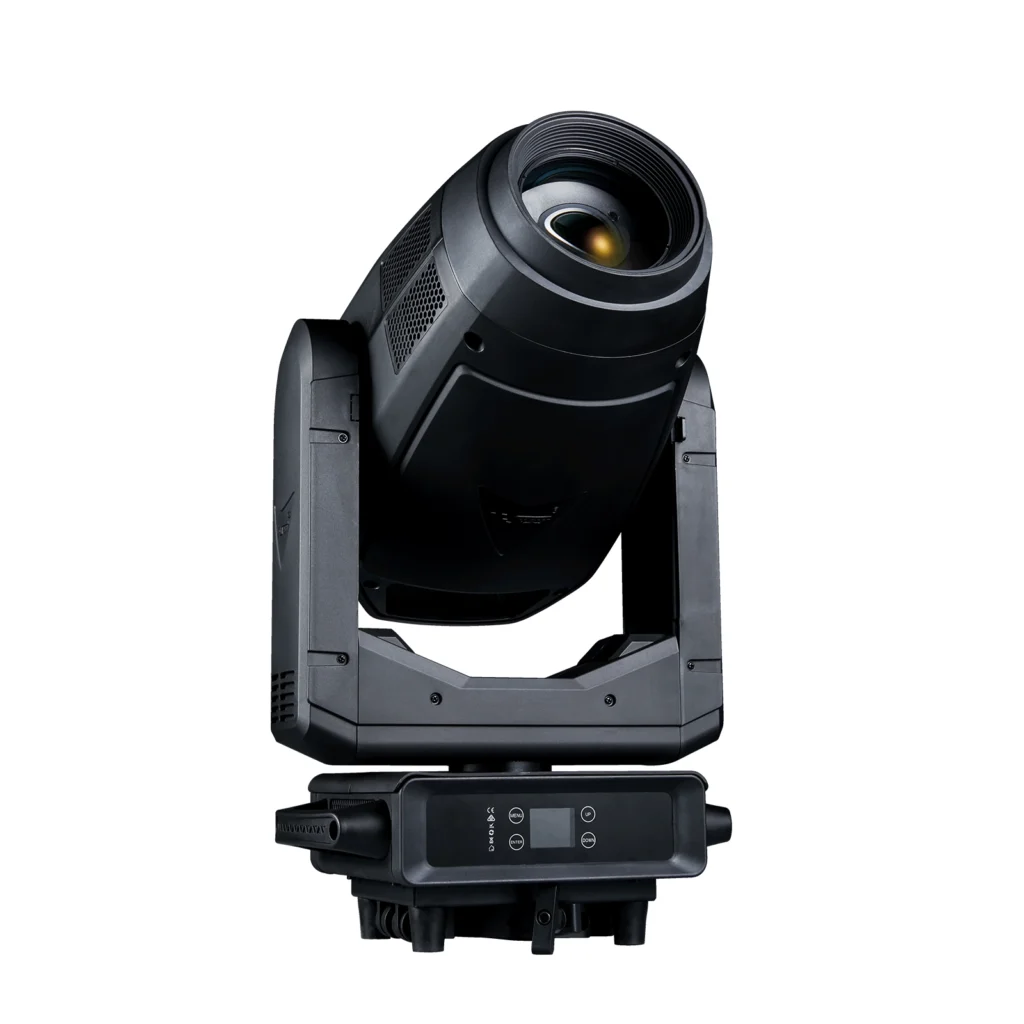
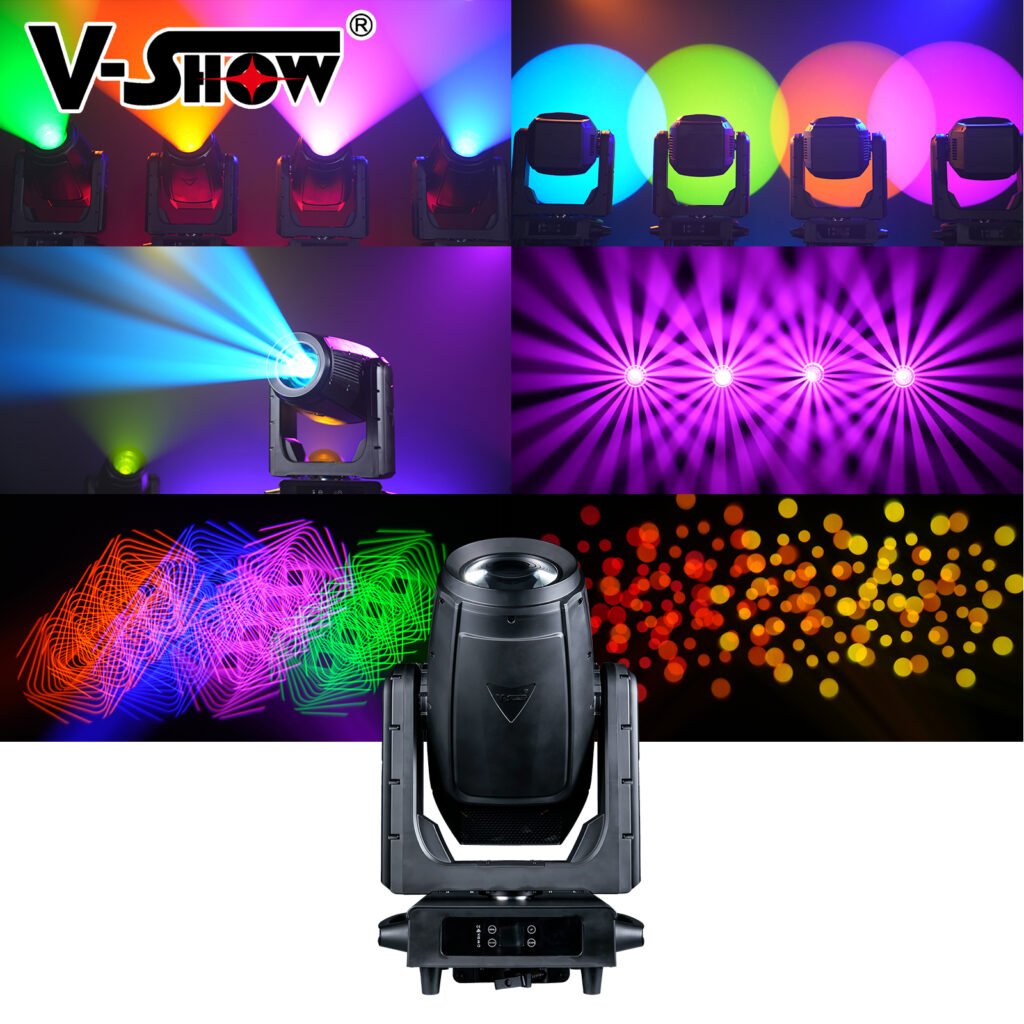
As the name suggests, hybrid fixtures combine one or more functions from the categories above. A few years ago, these were only viable for large budgets. Today nearly every manufacturer offers hybrid lights. While their wash performance can match dedicated wash fixtures, their beam capability usually cannot compete with specialised beam lights.
For example, some manufacturers produce beam lights with a narrow 2° beam angle. Compare that to hybrid fixtures and you will see the difference.
Effect light
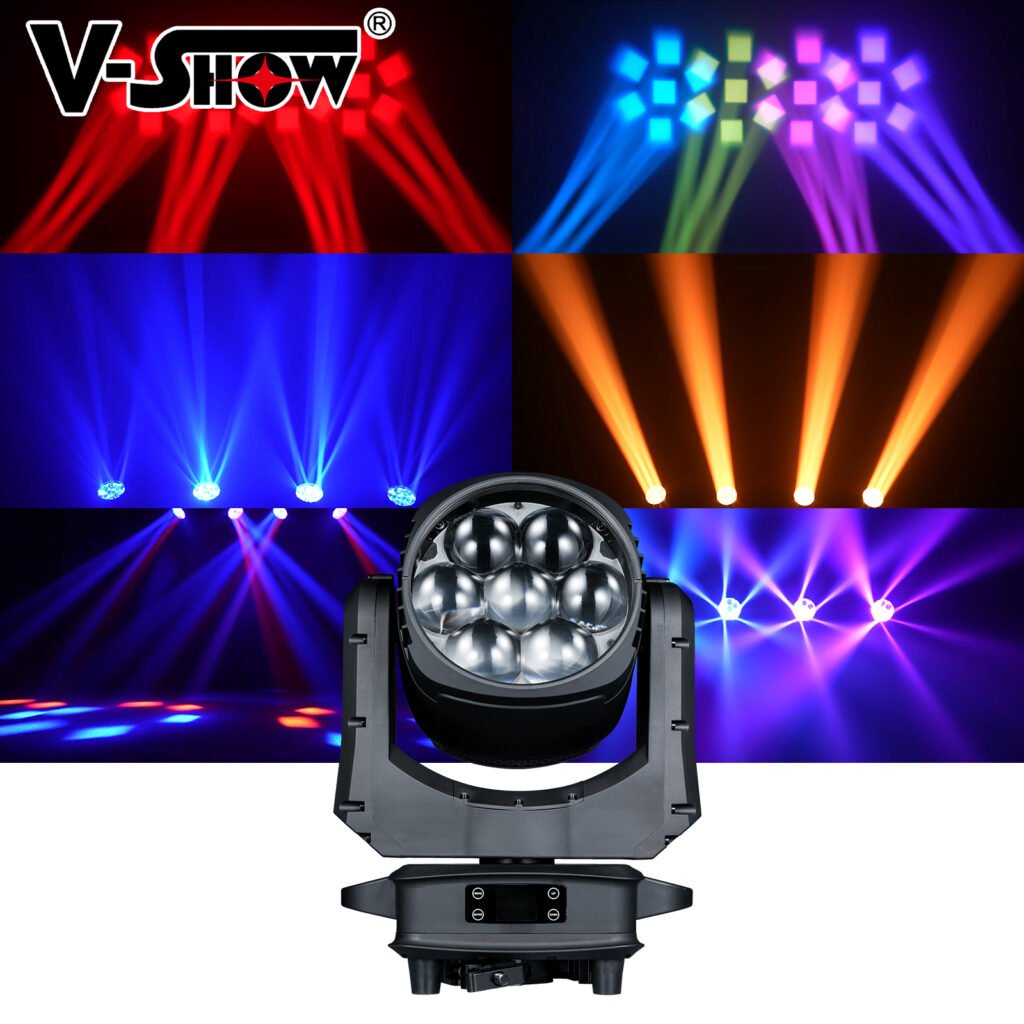
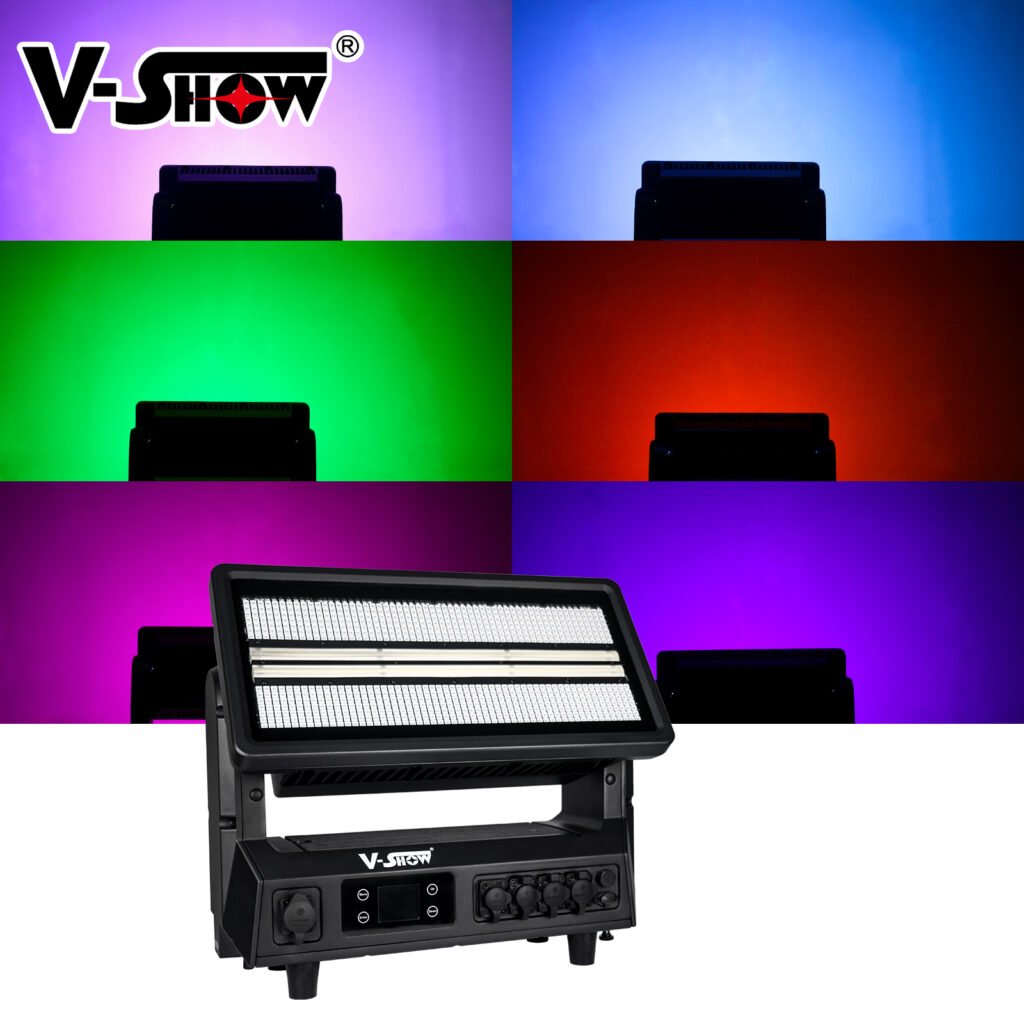
These lights are neither designed to create aerial beam effects nor illuminate physical objects. They exist purely for dynamic effects: colour chases, strobing, pixel runs, oscillation and other complex sequences. Simply put, they look spectacular but serve little core lighting purpose.
They may be visible directly to audiences, so their industrial design also needs visual appeal. When buying effect lights, carefully check built-in effects, macro commands and control protocols. More options allow greater creative programming, saving you from being overwhelmed later by fixtures with dozens or even hundreds of DMX channels.
Closing Remarks
My recommendation is to pick one fixture type as your workhorse and use it to realise your creative vision. Balance LED sources and conventional sources where needed; choose high colour-temperature sources and aim for consistent colour temperature across all fixtures.
If your budget allows, purchase different fixture types for specific roles. Effect lights add the finishing touch — a subtle use during shows can elevate the whole production, and help justify extra budget.