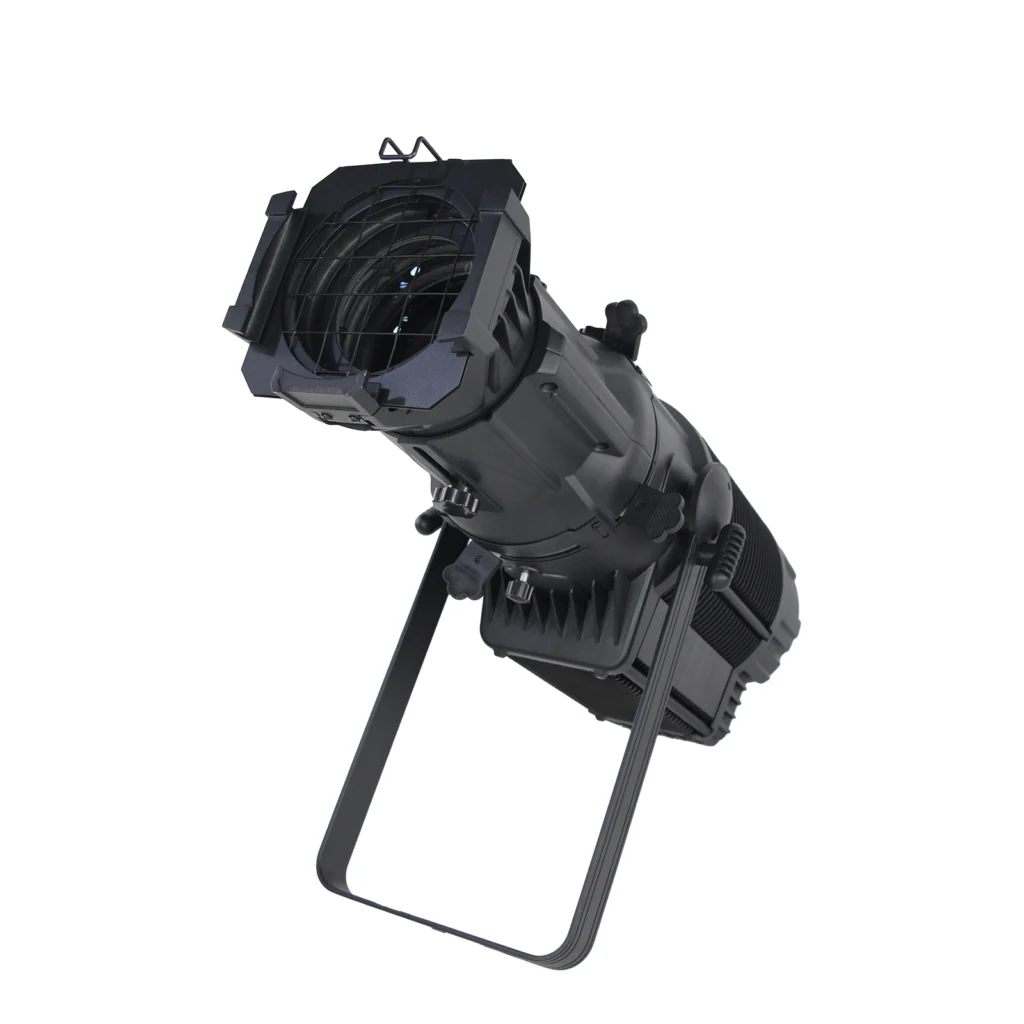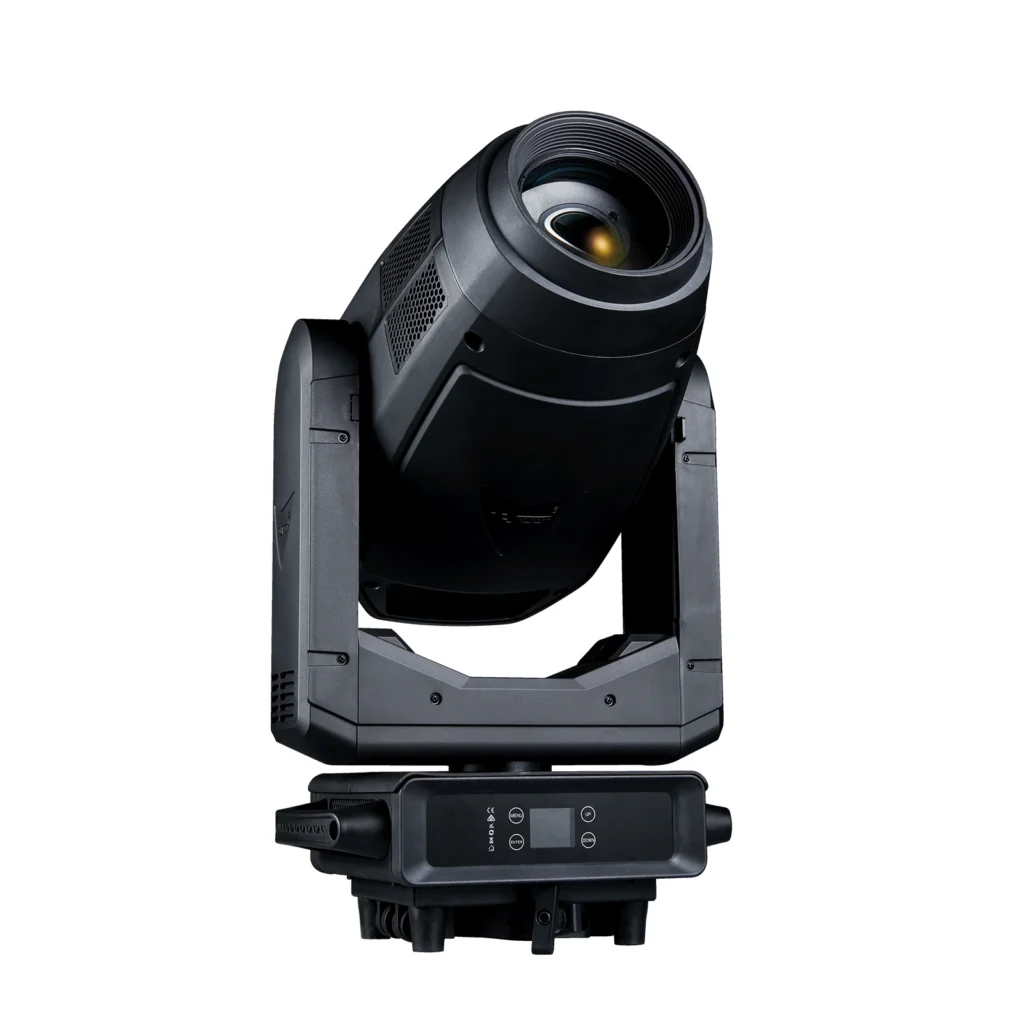
Currently, discussions are underway regarding the outdoor protection ratings of lighting fixtures. The catalyst for this discussion is likely a series of practical challenges encountered in recent years—particularly in certain regions during various music festivals—arising from adverse weather and climatic conditions.
A long time ago, someone decided that lighting fixture enclosures must be completely dust-tight and able to withstand water jets from any direction, hence setting IP65 as the target. This is reasonable in the architectural and electrical fields, and sometimes also reasonable in stage lighting. The underlying question is: Can lower IP ratings be used for lighting fixtures?
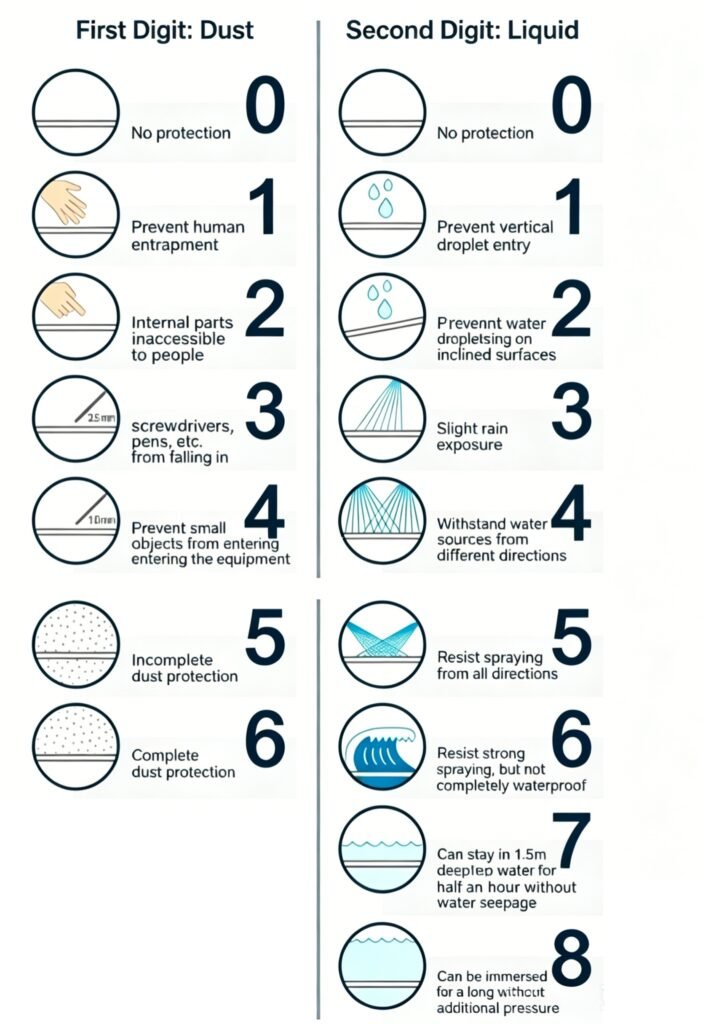
What outdoor moving lights can achieve:IP65
Suitable for long-term use in various weather conditions and outdoor site-specific performances, but does not guarantee that electronic components will not be damaged by moisture. Fully dust-tight in dry environments.
One issue with IP65 is that it requires a fully sealed enclosure. When you seal a lighting fixture, there is no ventilation. You cannot simply use a fan to exhaust heat generated by the light source, so a large heat sink is needed to conduct heat to the outside. These heat sinks are usually made of aluminum and are large and heavy. Dust and moisture are persistent and can penetrate the smallest gaps, so IP65 fixtures usually use gaskets for sealing. They are pressurized, and since all moving parts eventually require maintenance, resealing them is a challenge.
Therefore, the idea of using a lower IP rating enclosure with outdoor capability is appealing. In IP54, the 5 means the fixture is not fully dust-tight but prevents dust ingress enough to not affect operation. The 4 means it can withstand splashing water from any direction. This allows the fixture to be smaller, lighter, and easier to maintain.
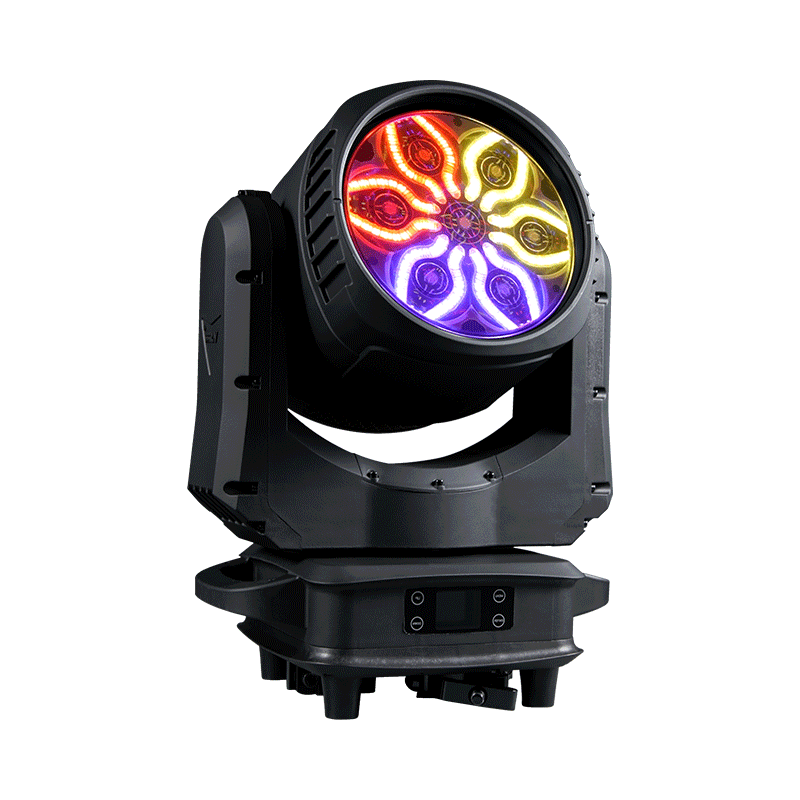
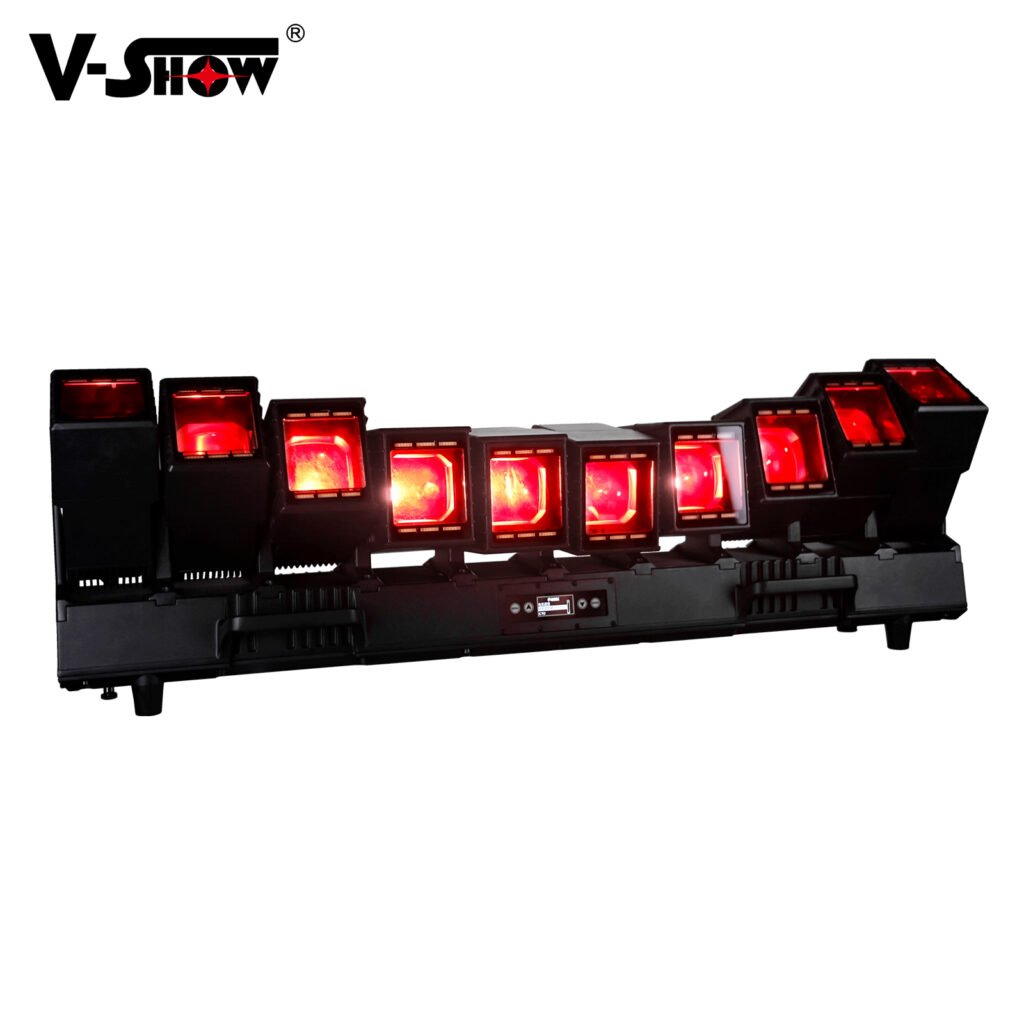
The question is: Can IP54 work in outdoor environments? I think the answer is up to time. It should be fine for temporary installations of one to two weeks, but what about longer periods?
What do you think?