Nowadays, visual stage effects rely heavily on video and lighting integration. Before media servers were widely used, matching lighting effects with video content required a lot of manual programming. With modern media servers, this process has become much simpler. However, connecting media servers and lighting control systems still requires standard and correct operation.
Most professional media servers support pixel mapping. This function allows users to build fixture layouts in software and play videos or images directly through stage lights.
1. Control Signal Processing
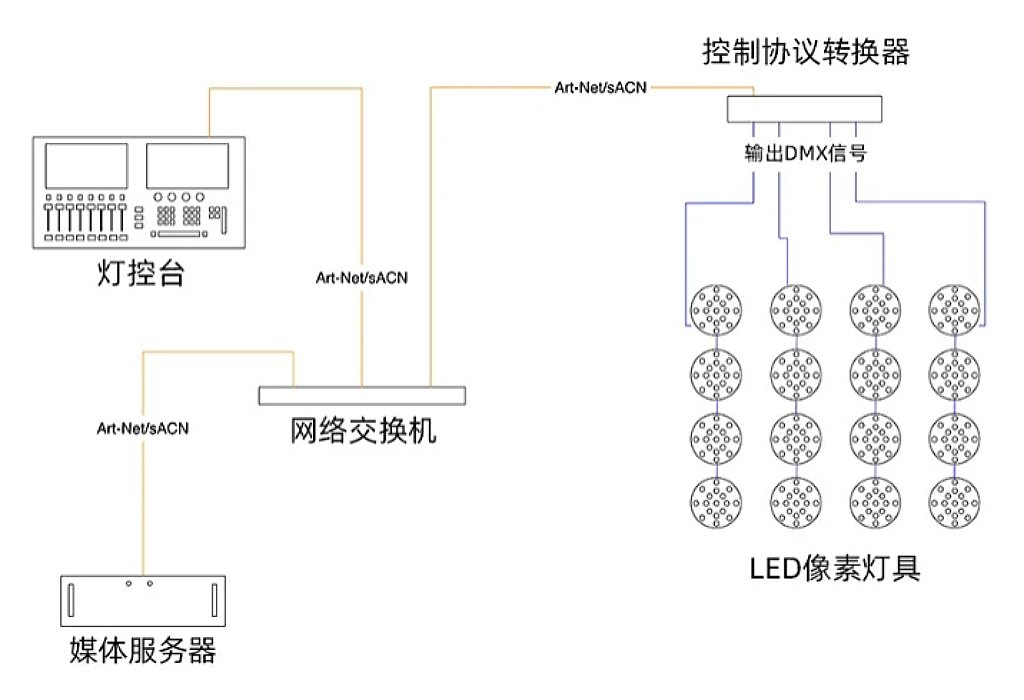
All lighting pixel mapping systems need to convert video content into standard lighting control signals such as DMX, ArtNet or sACN. The core step is to accurately capture video color data and transmit it to lighting devices through the network.
New protocols like KlingNet effectively optimize this process, allowing media servers and lighting equipment to communicate directly and reducing redundant data conversion.
A common setup uses a media server together with a lighting console. The traditional structure uses two independent systems for control and wiring. A better method is to let the lighting console receive ArtNet or sACN signals from the media server and mix them into the main lighting control signal.
2. Signal Priority Settings
To merge signals correctly, you need to understand LTP and HTP modes. Pixel mapping requires the use of HTP signal merging mode.
To keep the media server’s pixel effect effective, set the fixture color value on the lighting console to zero. This can be quickly achieved through a single cue or macro command.When using ArtNet or sACN, avoid conflicts by placing media server data and console control data in different subnets and universes.
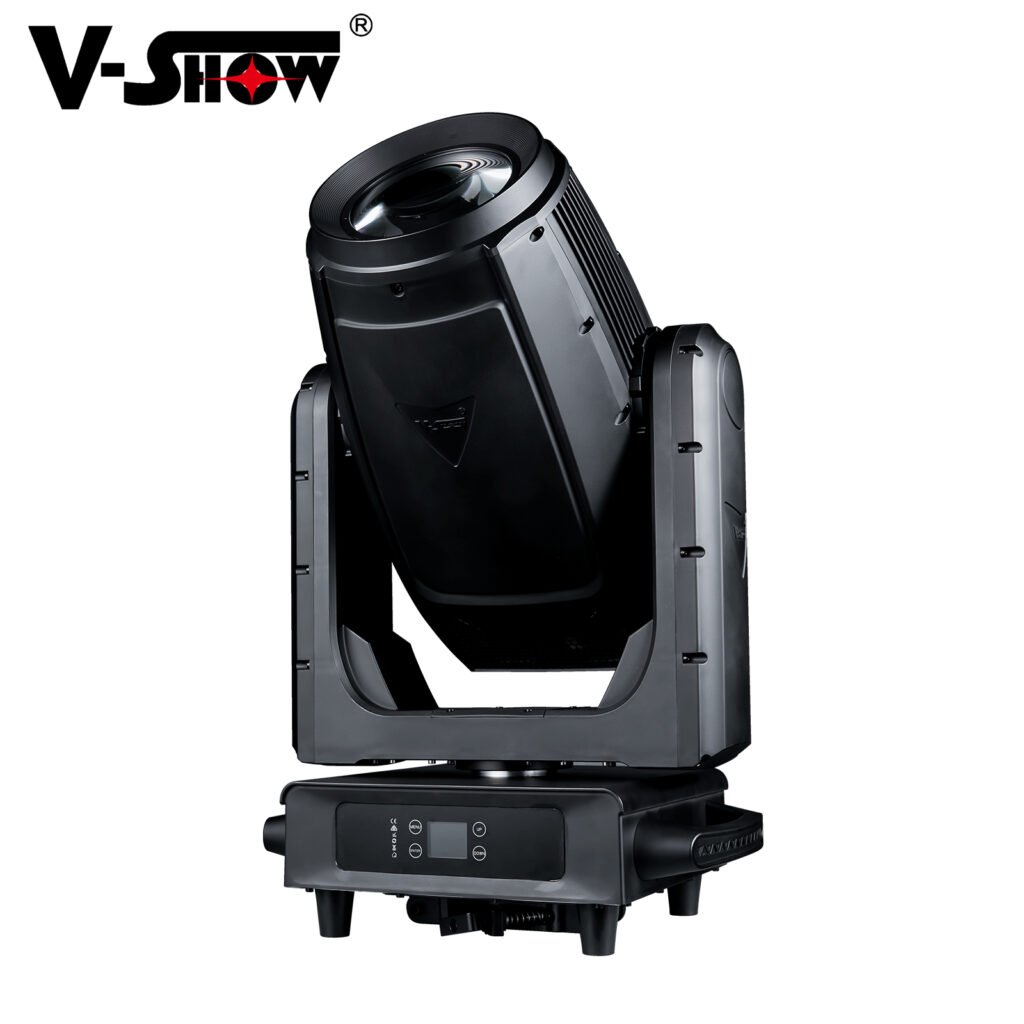
Why Use Pixel Mapping?
Many people wonder why pixel mapping is necessary if LED screens are already available. The biggest advantage is visual integration.
For example, when a stage has a central LED screen with surrounding lighting fixtures, pixel mapping allows the lights to perfectly synchronize with the screen content. The lights become an extension of the video screen, creating an integrated and immersive stage effect that cannot be achieved by traditional manual lighting programming.
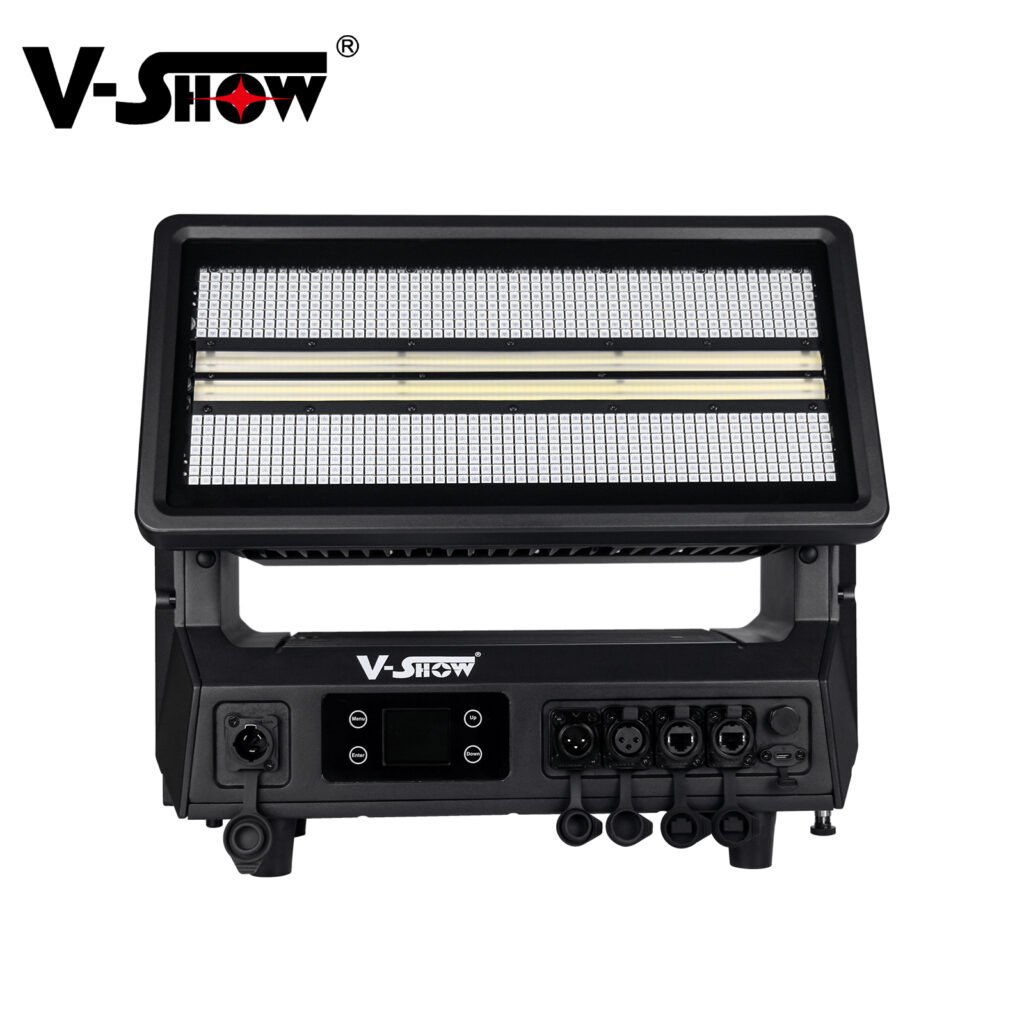
Conclusion
Pixel mapping greatly enriches stage visual creativity. Mastering basic signal processing and signal merging skills can help designers achieve more cohesive and professional stage lighting effects in performances.