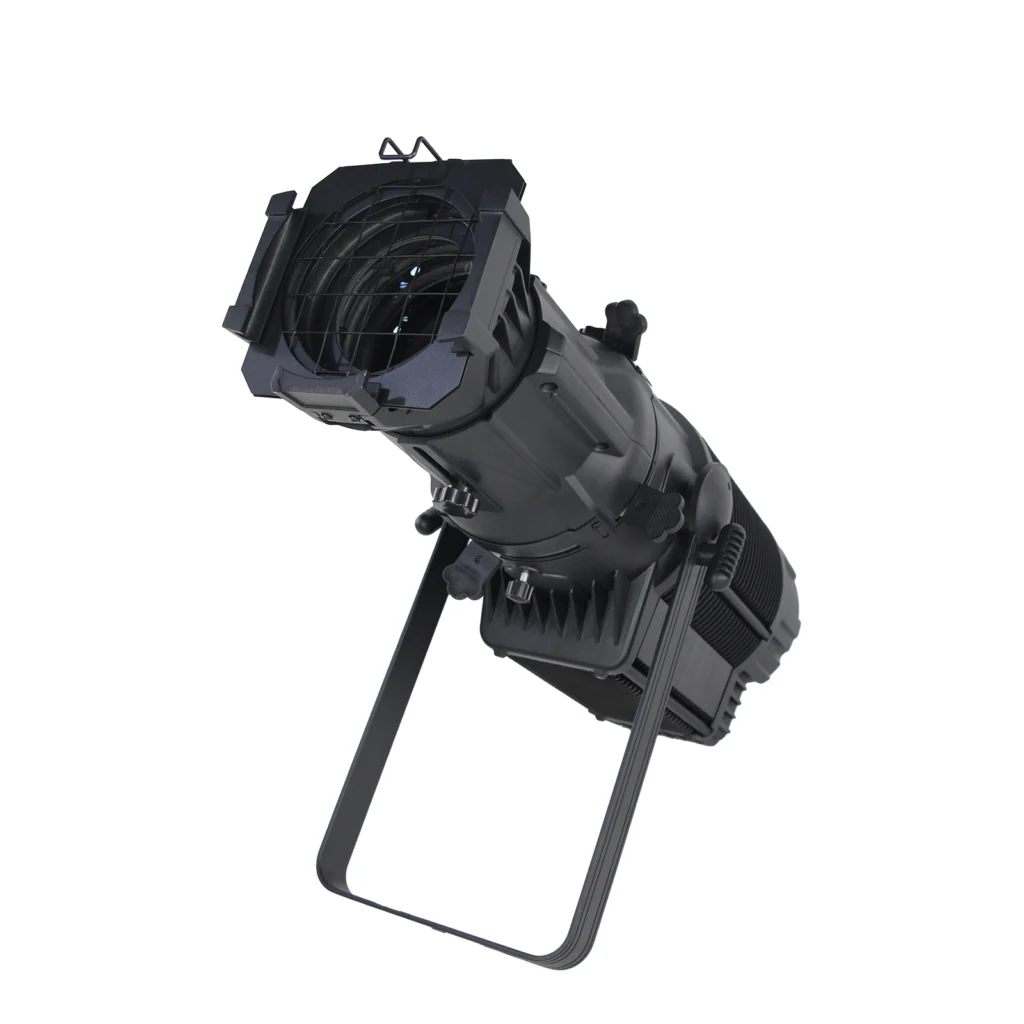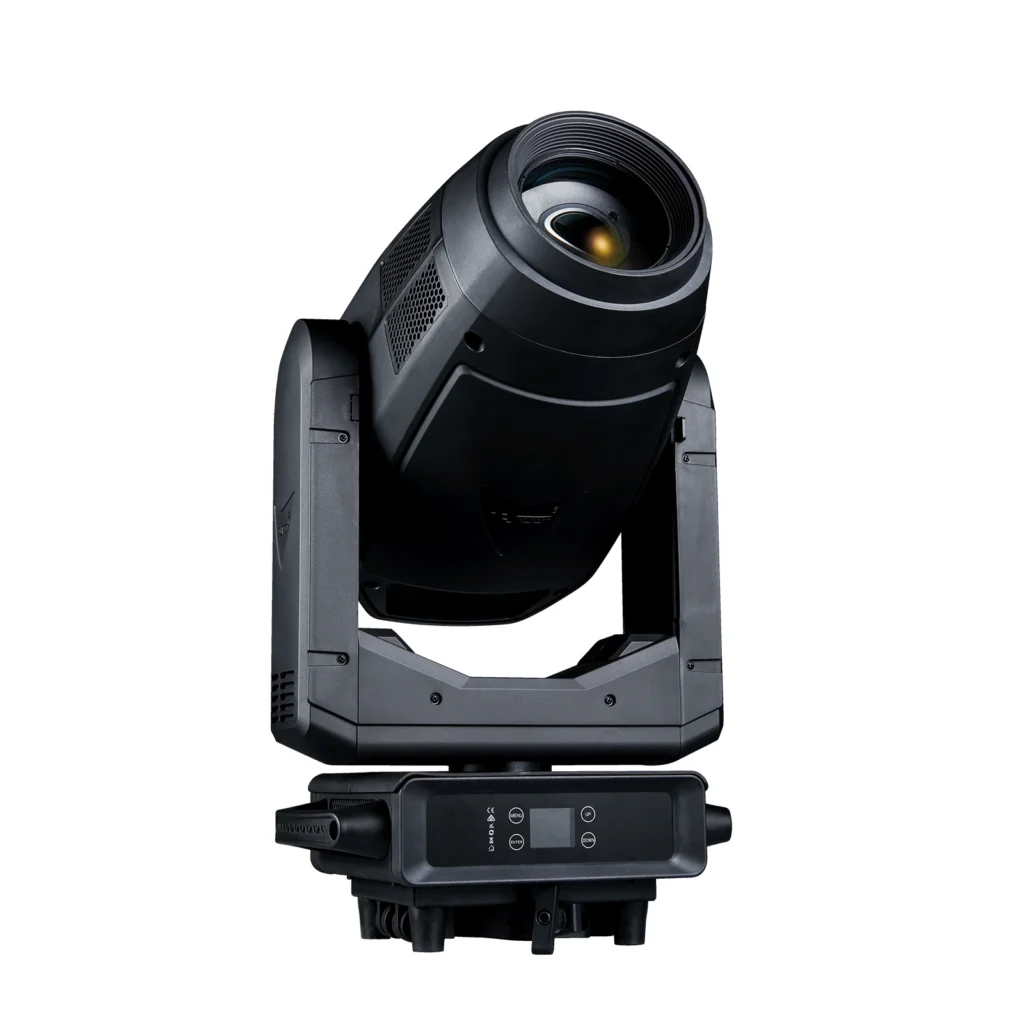
When shopping for stage lights, people are often drawn to eye-catching designs and fancy features, while overlooking core functionality and performance.
Different performances call for different lighting solutions. Some require dynamic visual effects, while others need soft, high-quality warm white light. Lighting that is either too dim or overly bright will ruin the show. It is therefore essential to pay attention to color rendering capabilities. Simply put, inaccurate colors destroy realism, and a high color rendering index guarantees the intended visual outcome.
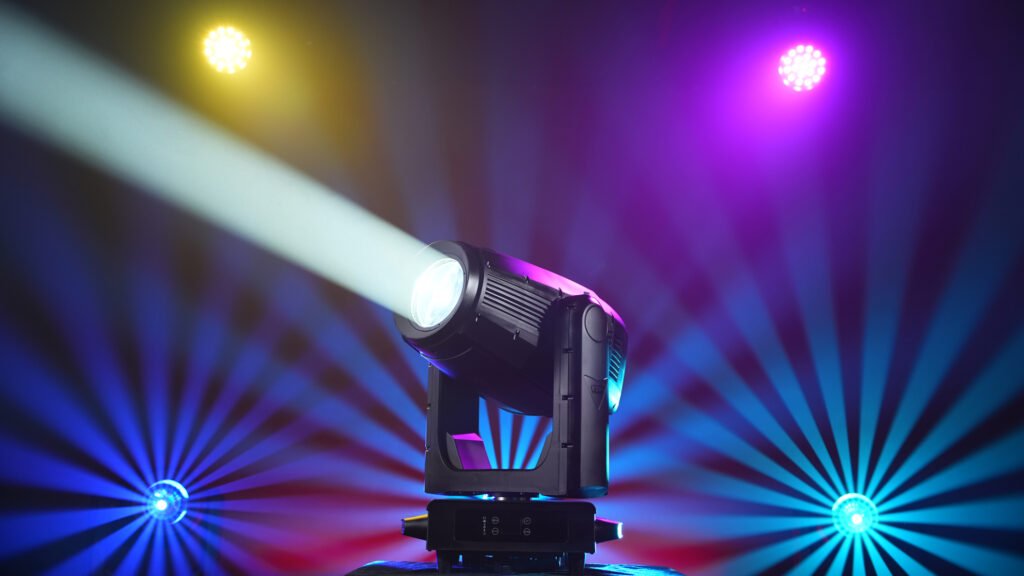
Many buyers only focus on color systems, lighting effects and built-in functions. Rarely do they evaluate color performance alongside white light quality, color temperature and color rendering as an integrated whole.
Most people prioritize color performance because hues set the mood and convey emotions. Colors can narrate storylines and reflect character changes without a single word. Vivid shades capture the audience’s attention and elevate the overall stage experience.
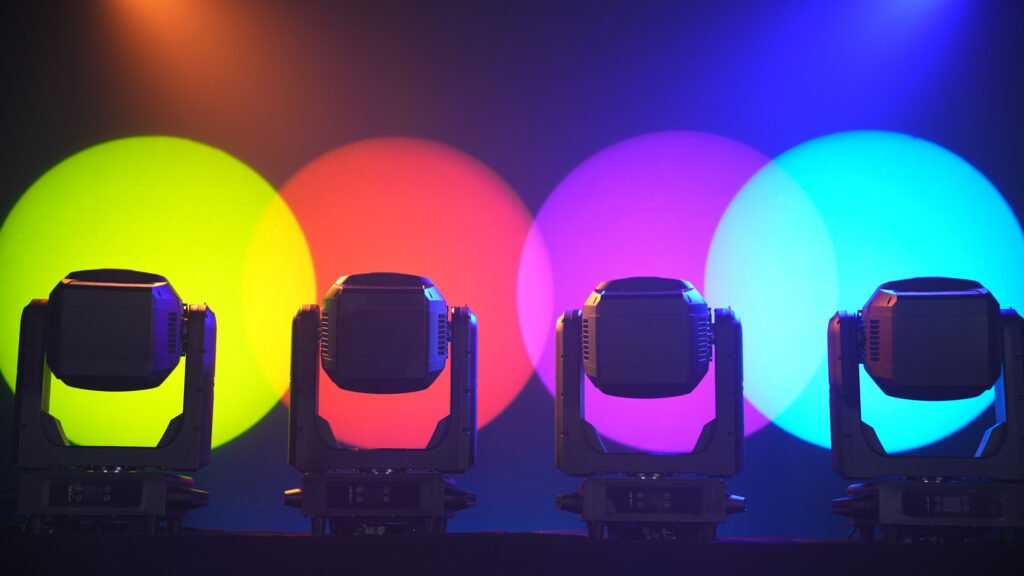
Both color performance and color rendering are vital for stage presentation and emotional expression, yet their priority varies across scenarios.
For music-focused performances, color performance takes precedence, as audiences value visual impact and emotional resonance above all. For plot and character-driven shows, superior color rendering is critical to preserve the authenticity of roles and scenes. The same applies to modern abstract stage productions, where creative color effects dominate. By contrast, classic theatrical performances demand excellent color rendering to retain traditional dramatic aesthetics.
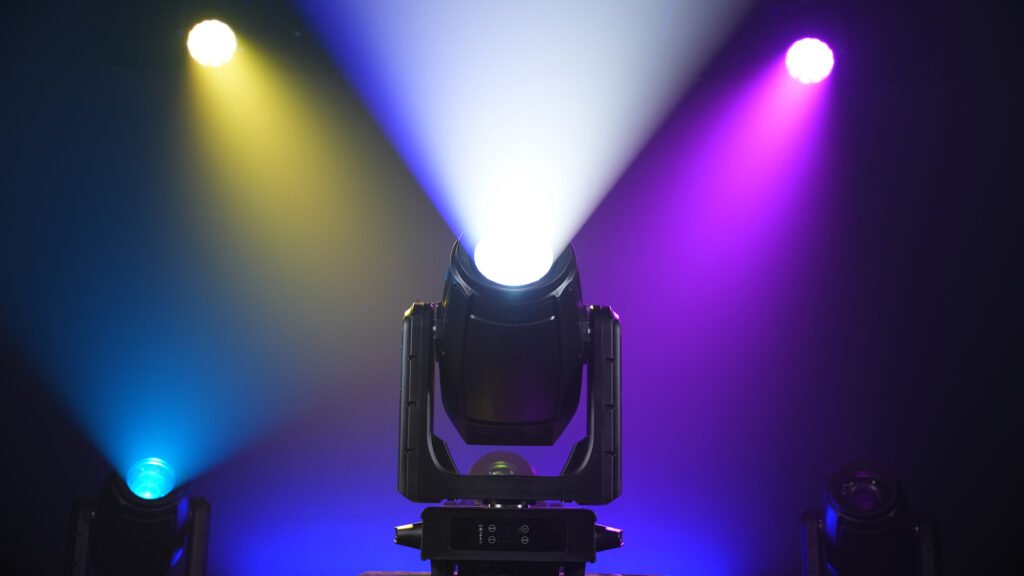
Additionally, professional TV recording requires precise color temperature and outstanding color rendering. To sum up, strong color rendering ensures authenticity, letting the audience perceive scenes truthfully and recognize details clearly without visual confusion.
You may also wonder: Does color rendering remain consistent across all color temperatures? Is the light equipped with linear adjustable color temperature? Why does the same model have variants for high and low color temperatures? Should you opt for lights fitted with high-CR lenses? A closer look will reveal that choosing stage lights is far more complex than it seems.
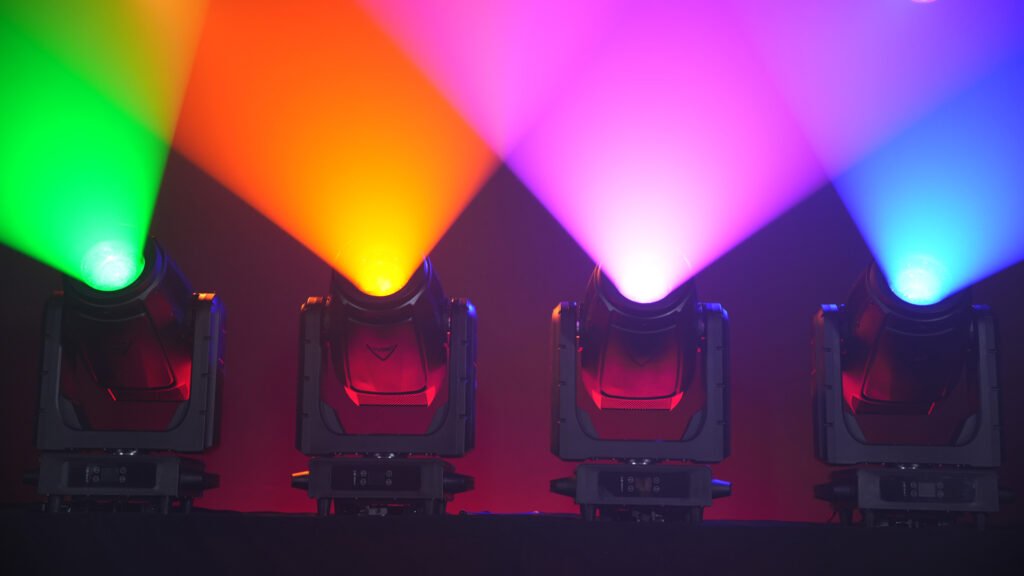
Feel free to share your thoughts in the comments.