The effectiveness of stage lighting in professional lecture halls and theaters relies on the precise positioning of fixtures and a stable signal and power distribution system. Proper planning of front-lighting and overhead-lighting positions serves as the foundation for any stage design.
Front-Lighting Layout
Front lights are typically installed beneath the auditorium ceiling, positioned outside the proscenium line. Ideally, the front of the fixtures should be 1–5 meters away from the proscenium. If the distance is too short, the downward angle will be insufficient for illuminating performers’ faces; if it is too far, the light will suffer from significant attenuation and may be obstructed by the proscenium structure.
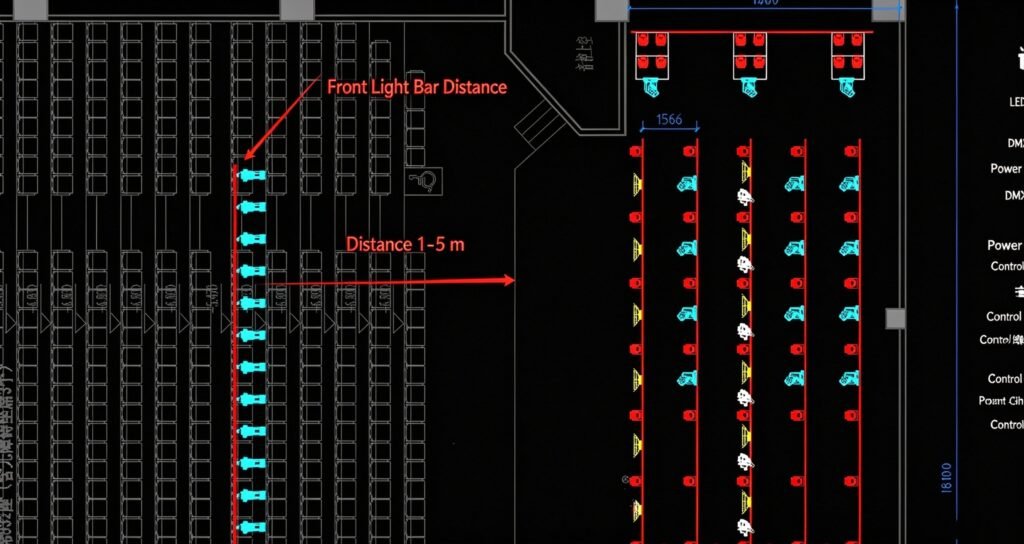
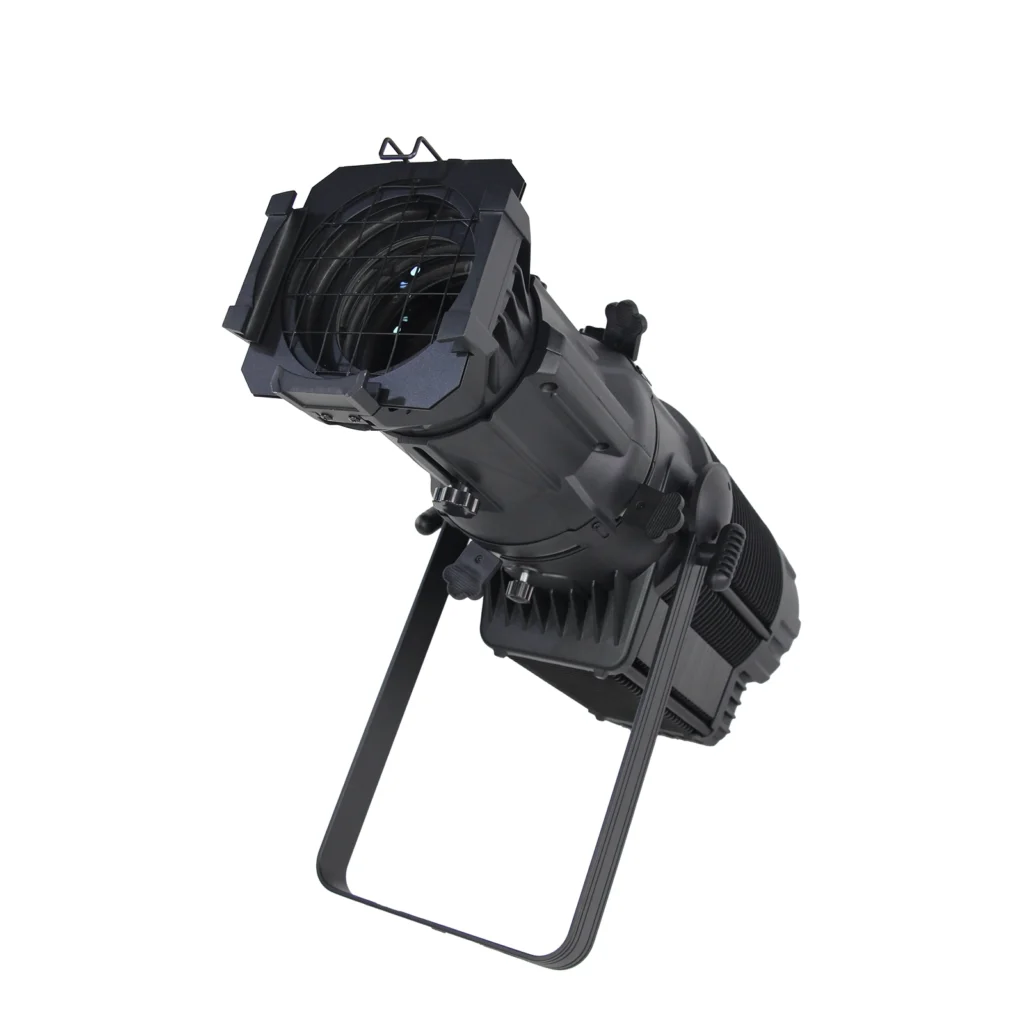
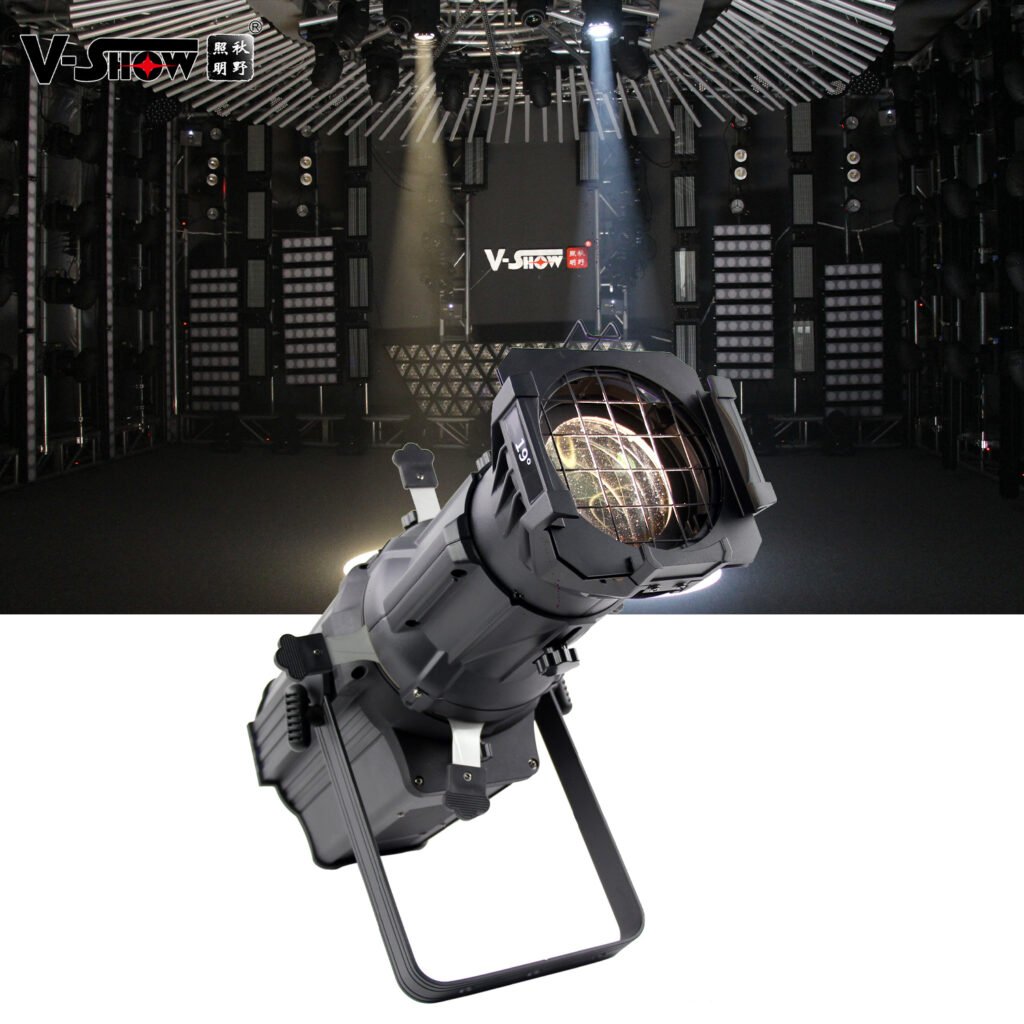
For front lighting, profile spotlights (ellipsoidal reflectors) and soft-wash PAR lights are preferred. VSHOWLED profile spotlights and flat-panel soft lights are excellent choices, providing uniform and gentle illumination for performers’ faces.
Overhead-Lighting Layout
The spacing between overhead lighting battens should be maintained at 1.2–2.0 meters.
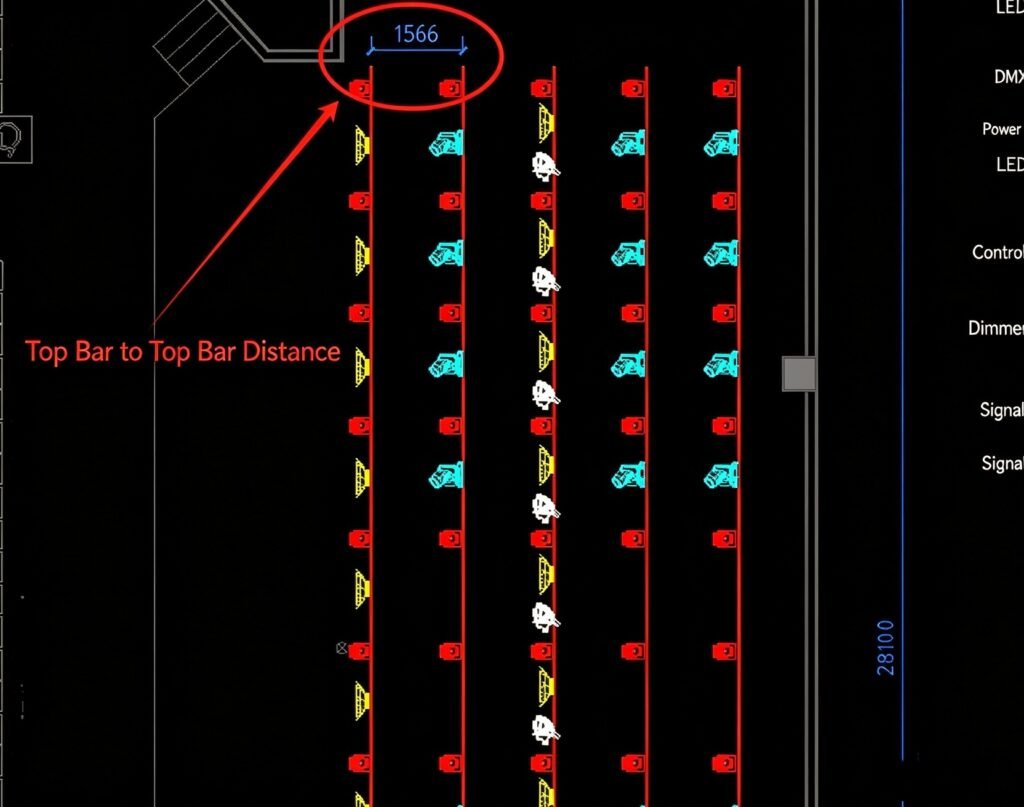
The first overhead batten integrates with the front lighting to illuminate the primary performance area; it can also serve as a source for “spot” (pinpoint) lighting to highlight specific zones.
The second overhead batten can function as a source for backlighting—projecting vertically downward or at an angle toward the stage—to define the contours of performers and add depth and dimension to the scene.
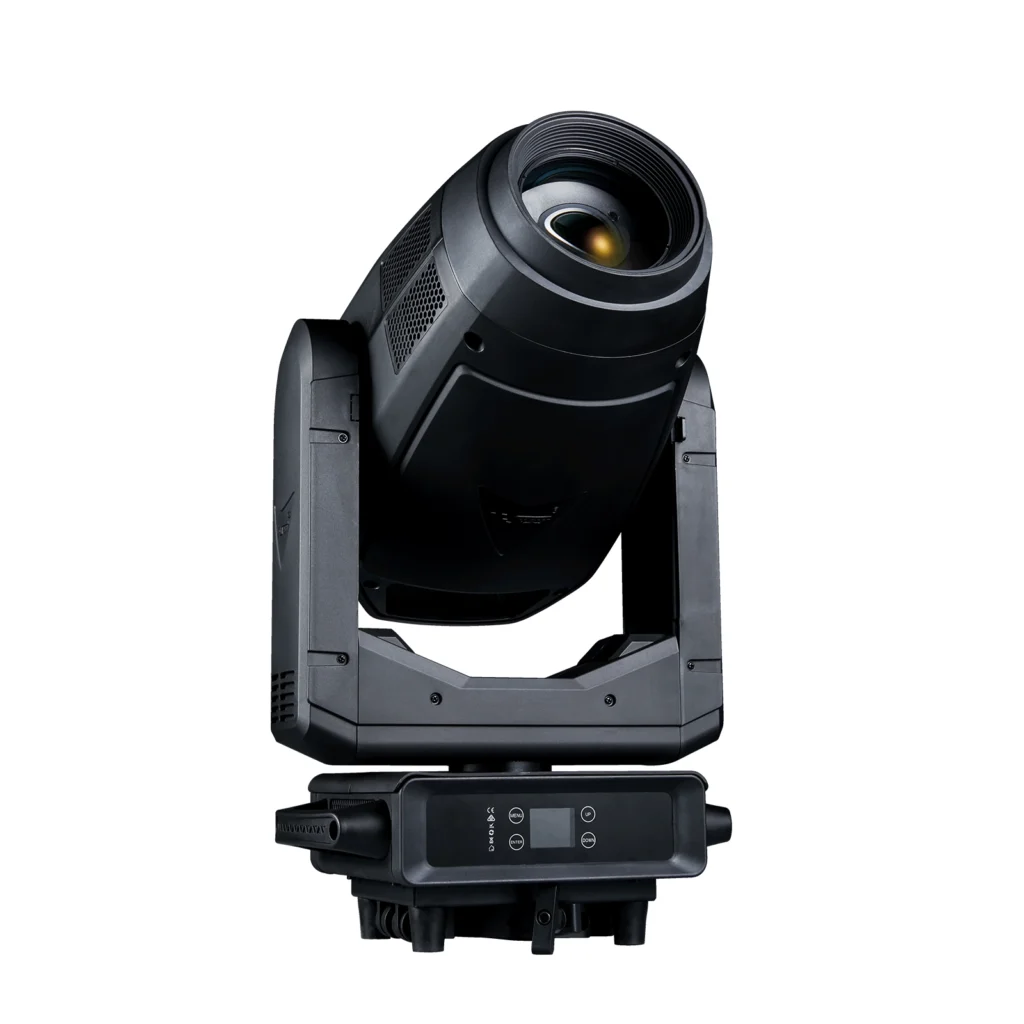
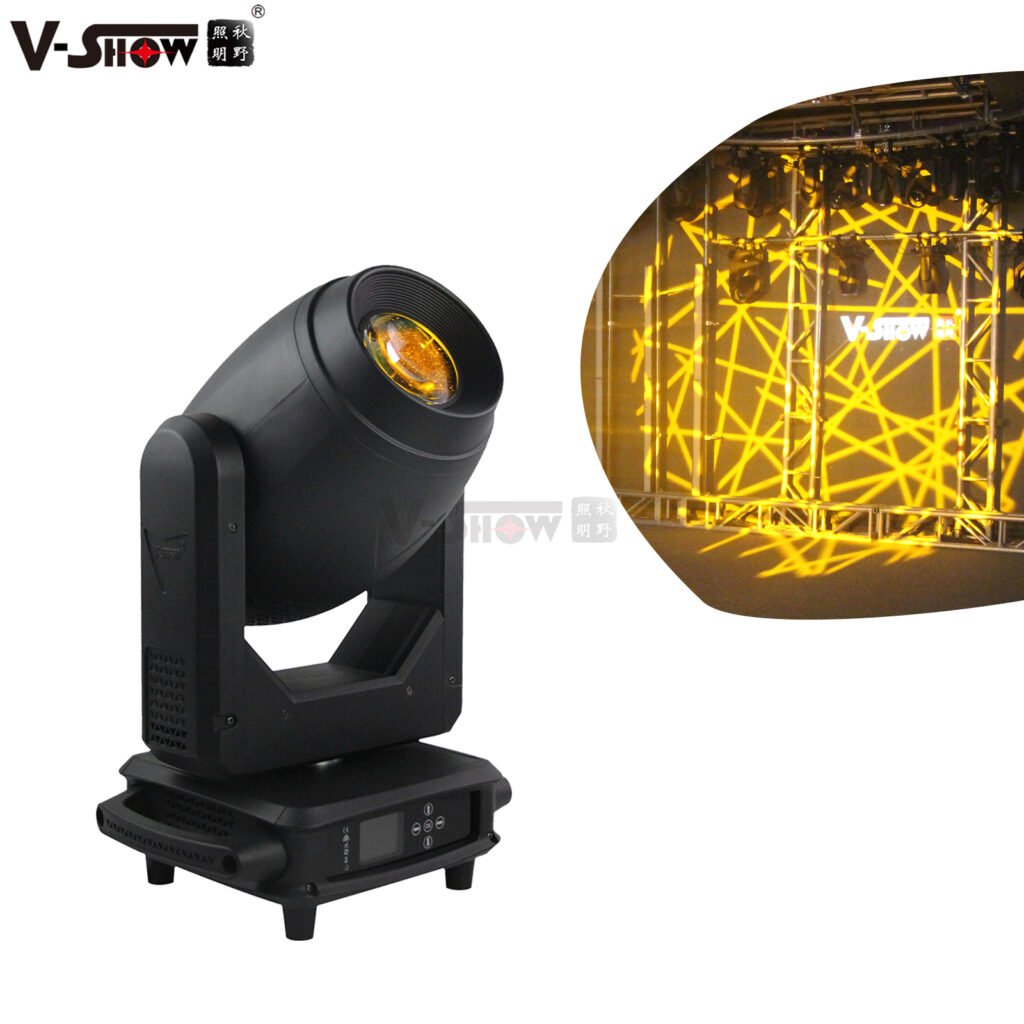
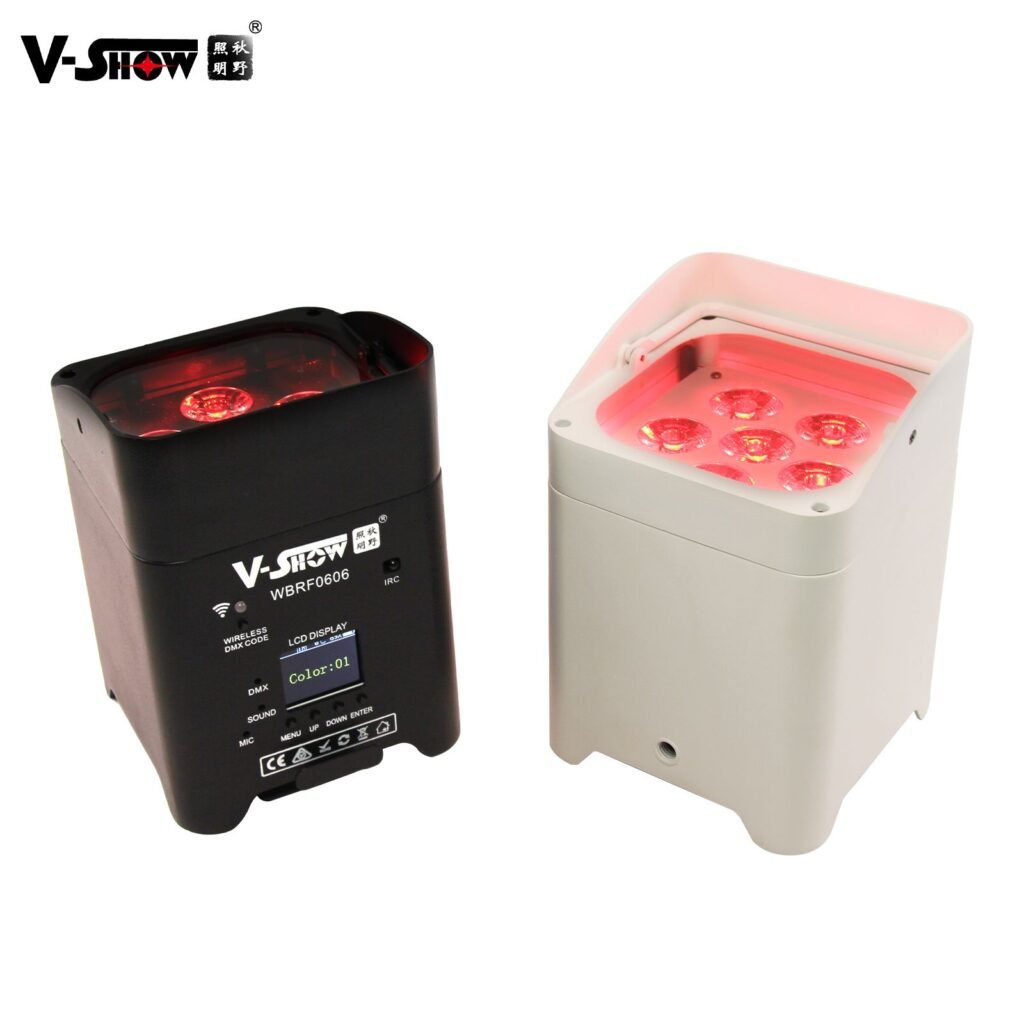
Overhead lighting can incorporate moving-head pattern (gobo) lights, wash lights, and spotlights. The VSHOW S716 “3-in-1” moving-head light and the WBRF0606 wash light are well-suited for these positions, serving both as functional general lighting and as tools for creative visual effects.
Lighting System Architecture
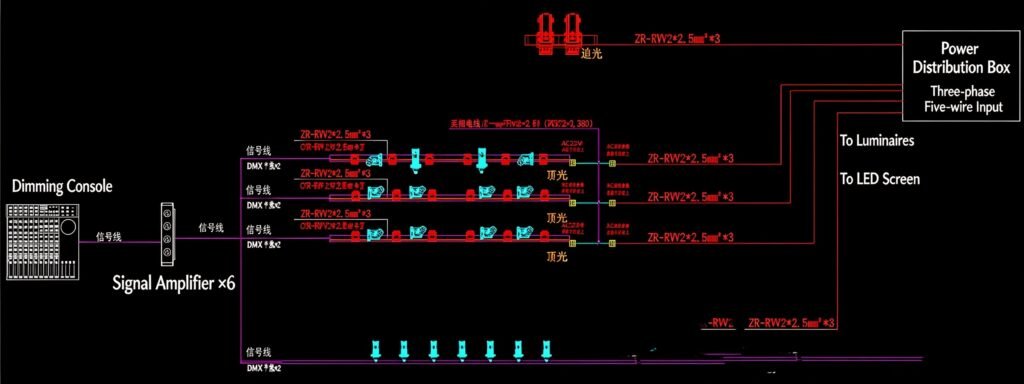
The complete system consists of a lighting console, signal amplifiers, lighting fixtures, and power distribution units (direct-power racks). The console outputs DMX signals, which are distributed and amplified by signal amplifiers before being routed to the front-lighting and various overhead-lighting circuits. Power is supplied via a 380V mains connection to the distribution racks, which then feed individual circuits for the fixtures. Power and signal cables should be routed separately to minimize signal interference, ensuring a stable and controllable lighting system.
Combining precise fixture placement with reliable lighting equipment ensures that a space can effectively accommodate both standard conference lighting and the atmospheric requirements of a performance.