Stop guessing. Start earning.
1. Indoor vs. Outdoor – Choose Your Lane First
Many rental companies make the same mistake: buying one type of fixture for everything, then struggling when the wrong job comes in.
2. Let Your Order Data Drive Inventory Ratios
Don’t set a fixed ratio and forget it. Review quarterly based on the last 6 months of actual orders:
• 70% indoor jobs → 60-70% conventional fixtures, 30% weatherproof as backup
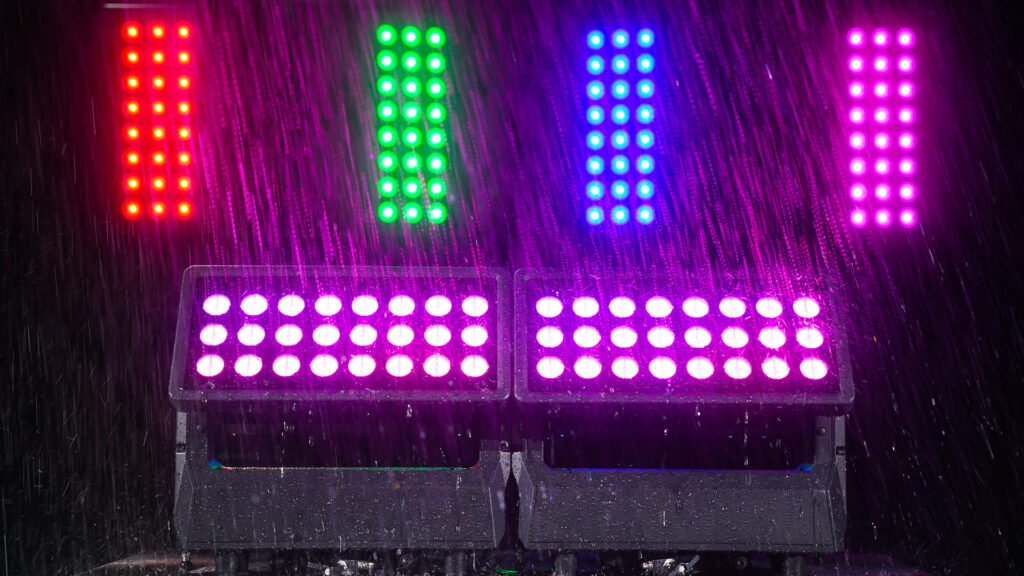
• 50%+ outdoor jobs → Push weatherproof profiles and beams to 40-50%
• Mixed small-to-large events → Prioritize indoor-outdoor hybrid fixtures to reduce duplicate stock
Core principle: Your inventory structure should flow like water — follow where your clients are going.
3. Buy Multi-Purpose Fixtures First
The more jobs a single fixture can handle, the more times it gets rented, and the faster it pays off.
High-turnover recommendations:
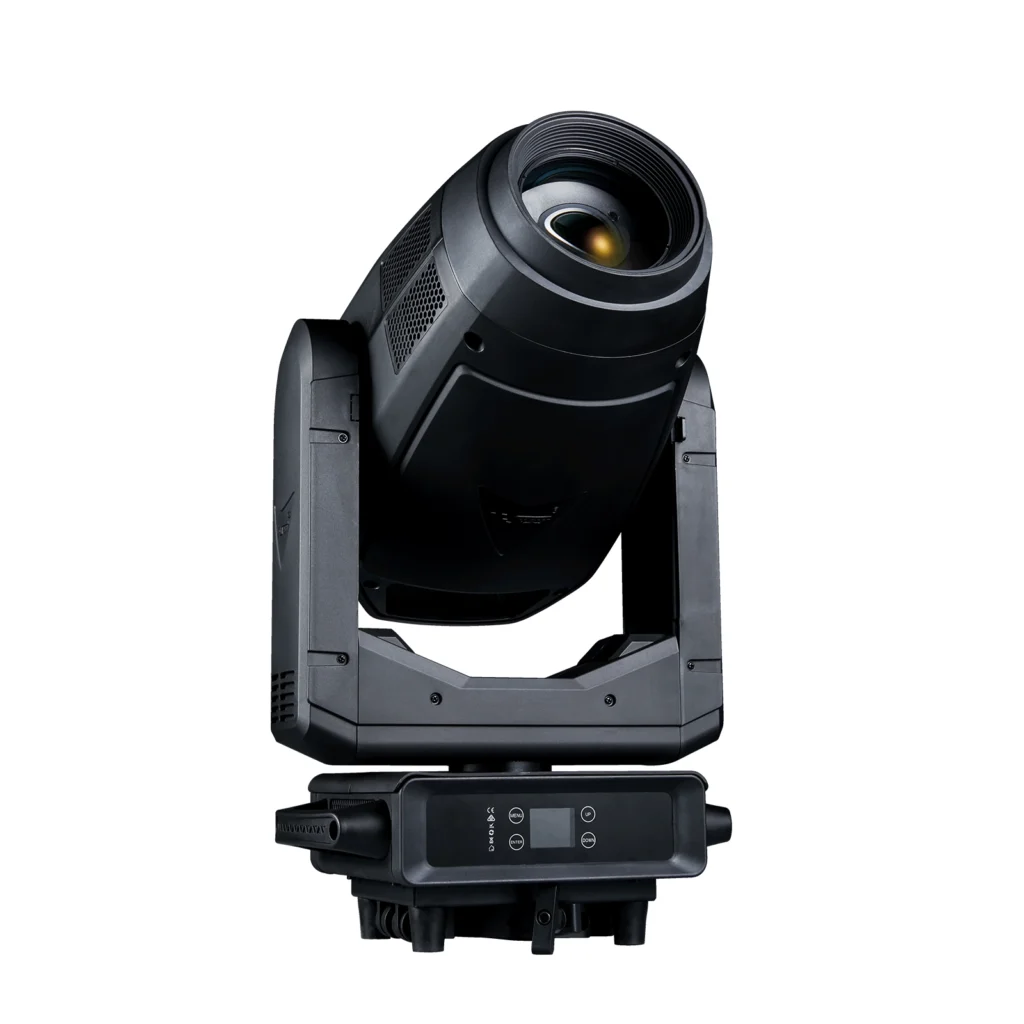
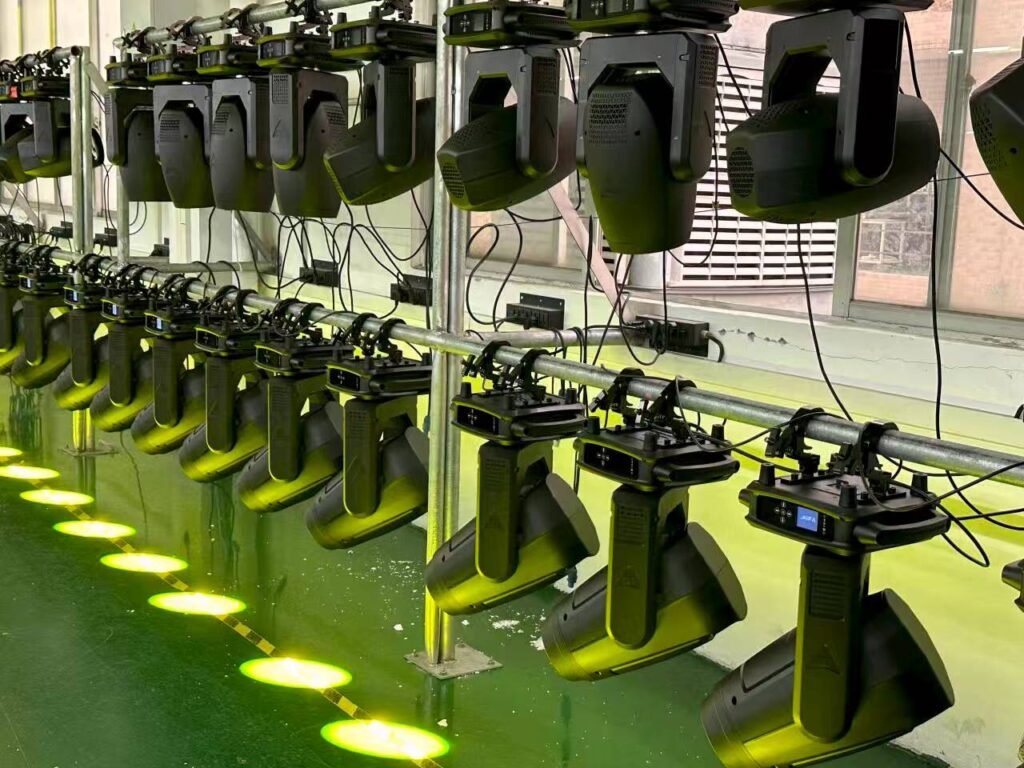
• Beam + wash + pattern 3-in-1 / 4-in-1 moving heads (one fixture does three jobs)
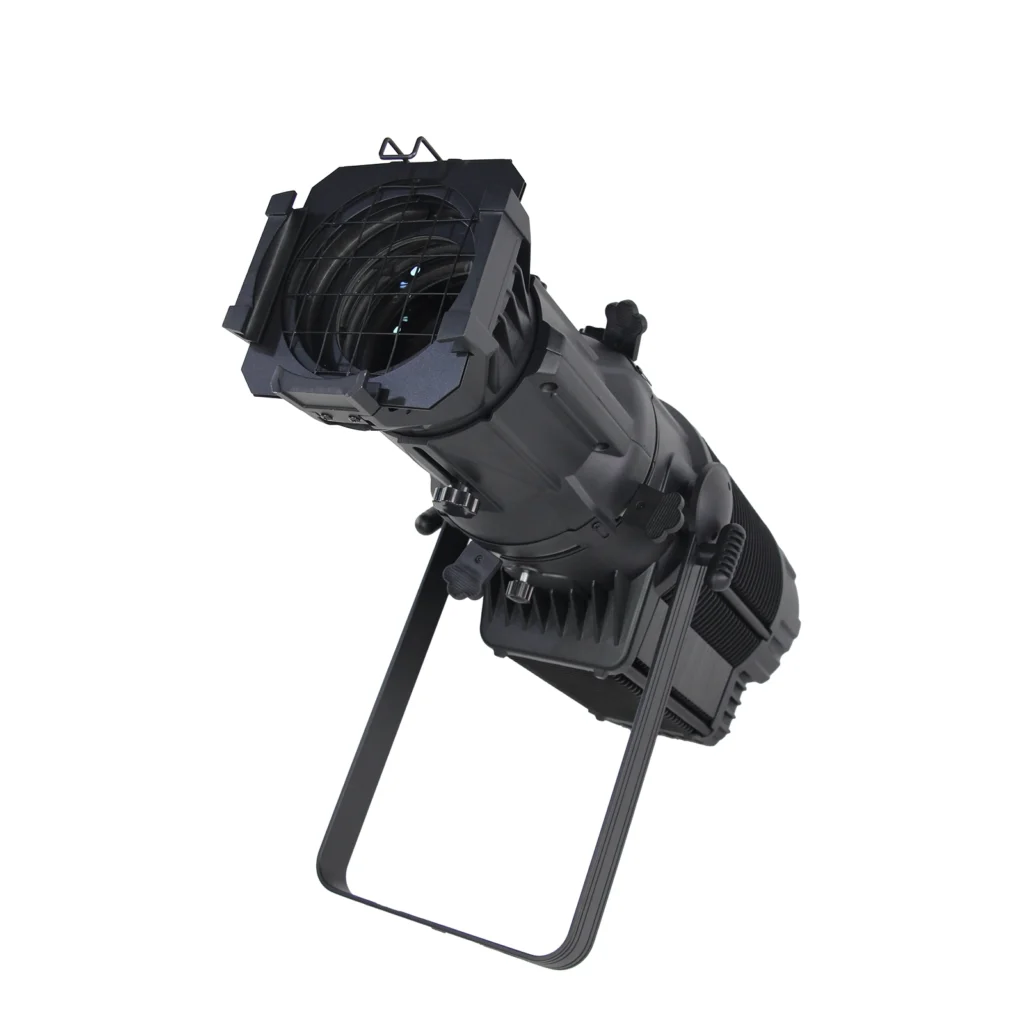
• Waterproof LED profiles (front light + logo projection + hard-edge looks)
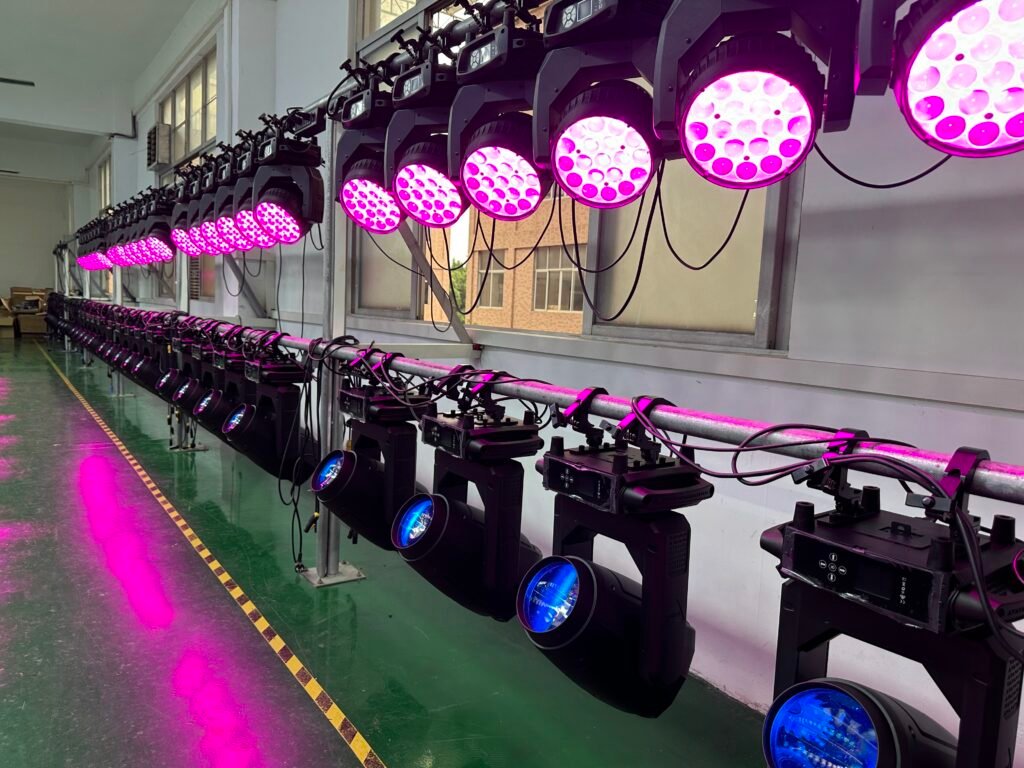
• Bee-eye wash movers (wash + beam + pixel mapping all in one)
• Wide-zoom wash lights (close-up fill + long-range color wash)
Why it works: Same rigging points, same control protocols, same flight cases. Less swapping on site, less troubleshooting, fewer failures.
But don’t overdo it: Don’t replace your entire inventory with weatherproof gear. For pure indoor projects, IP65 is an unnecessary expense — you’re paying for housing and cooling that will never earn back in rent.
4. Run Three Numbers Before You Buy
Number 1: Project Fit
• What do your clients typically run — indoor or outdoor?
• How high are the rigging points? How far is the throw distance?
• Can your existing inventory already cover this?
Number 2: Rental Frequency
Breakeven rentals = Purchase price ÷ Daily rental rate
Example:
• 300W beam fixture: $400 purchase, $25 daily rental → 16 rentals to break even
• If it rents fewer than 10 times a year → it’s losing you money
Industry benchmark: If a fixture rents fewer than 10 days per year, reconsider the purchase.
Number 3: Scene Coverage
Can this fixture cover:
• Corporate events ✓
• Live shows ✓
• Music festivals ✓
• Touring productions ✓
More scenes = lower depreciation risk = better ROI.
5. Technical Checklist (Print This)
✅ IP rating in writing: IP65 minimum for outdoor; IP66 for coastal areas or low-mount positions
✅ Test brightness yourself: Don’t trust wattage labels — measure actual lumens and lux
✅Unified control protocol: Must support DMX512 and RDM; Art-Net is a bonus for mixed inventories
✅Spare parts availability: Power supplies, fans, lenses, and seal gaskets should be field-replaceable
✅ Keep hot spares: 1 backup unit for every 20 active fixtures — swap instantly when something fails on site
✅ Post-show maintenance: Wipe seals, check connectors, dry-store after every outdoor gig — adds years to fixture life
6. One Sentence to Remember
Indoor is about light quality, outdoor is about protection, purchasing is about turnover, and inventory is about utilization — don’t let a single fixture sleep in storage.