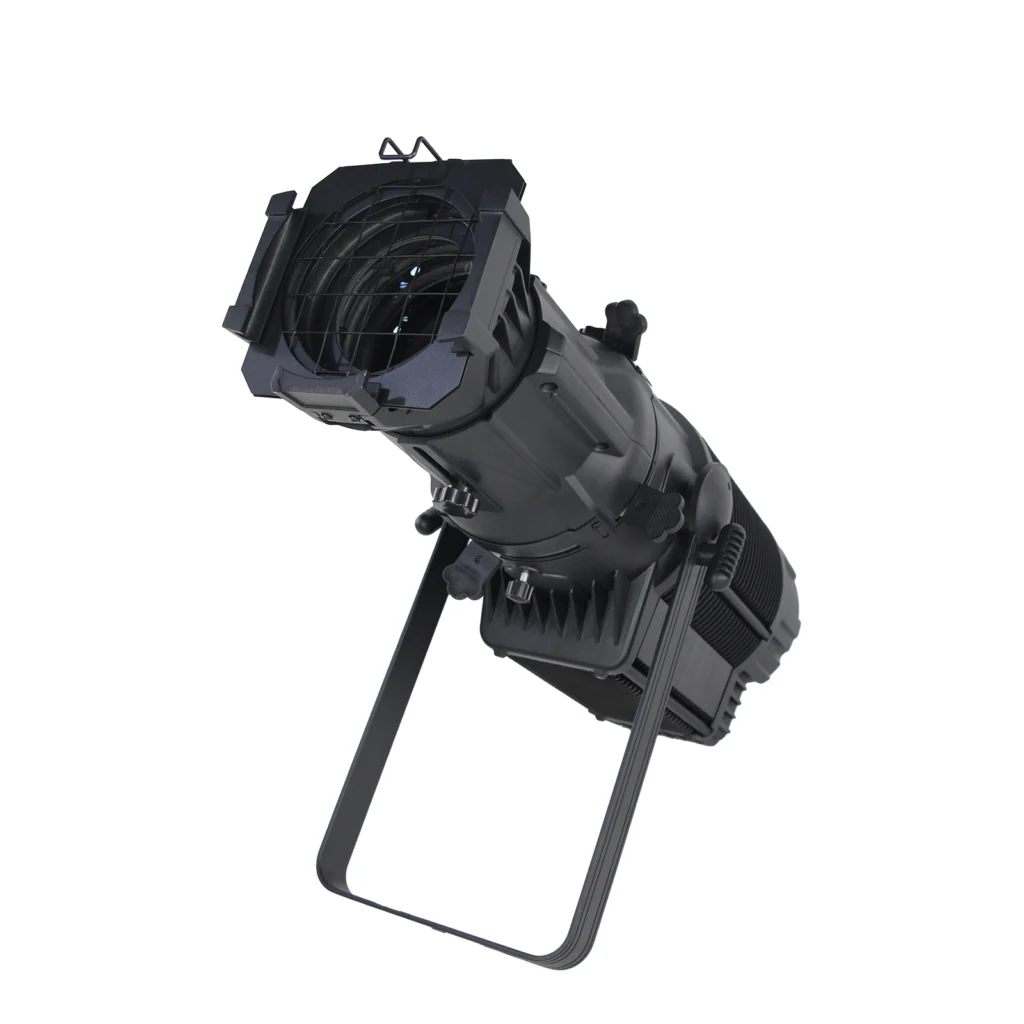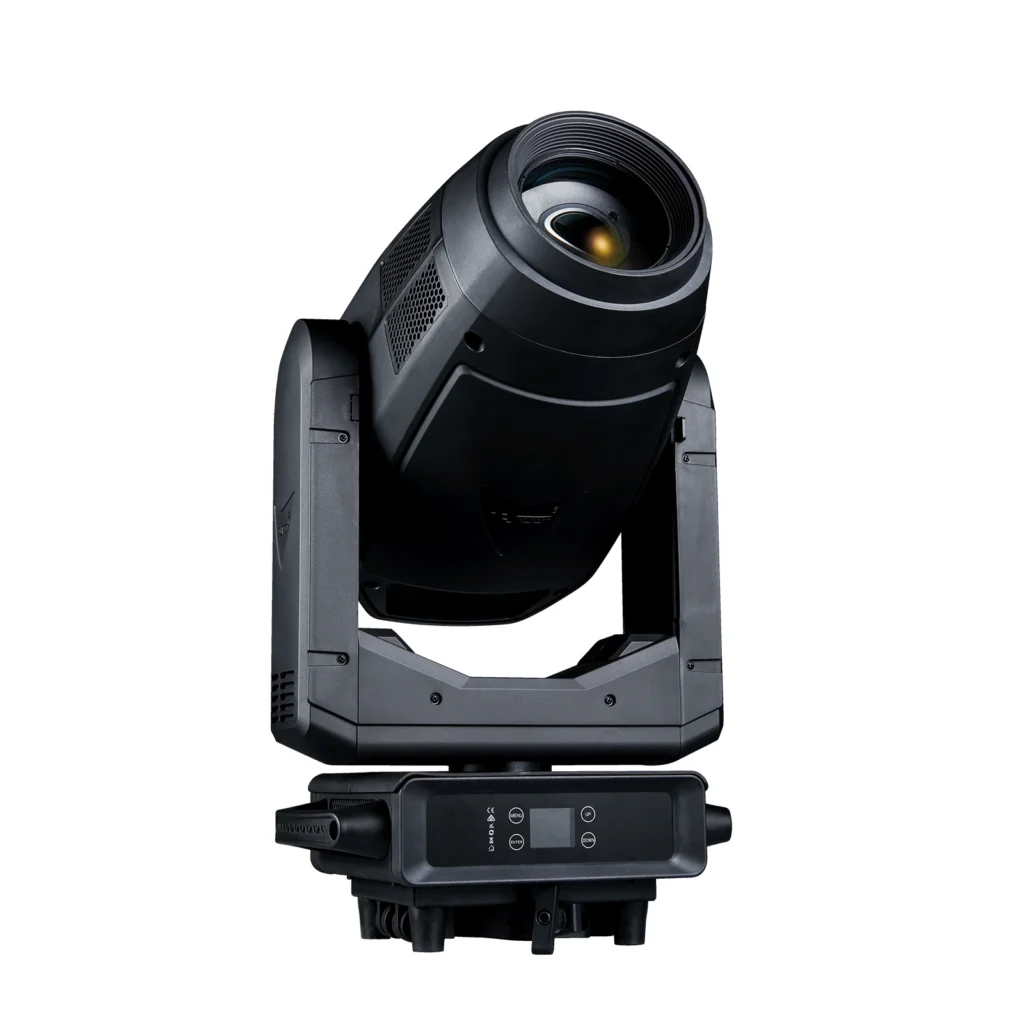
In stage engineering construction and performance implementation, the lighting system serves as the core visual presentation carrier. The scientific and rational selection of equipment directly determines the performance effect, construction cost and operational safety. This article focuses on two core stage lamps—PAR lights and moving head lights, analyzing their technical parameters, application scenarios, selection key points and construction pitfalls to help you make accurate selections and avoid resource waste.
1. PAR Lights: Engineering Selection Scheme for Basic Stage Lighting
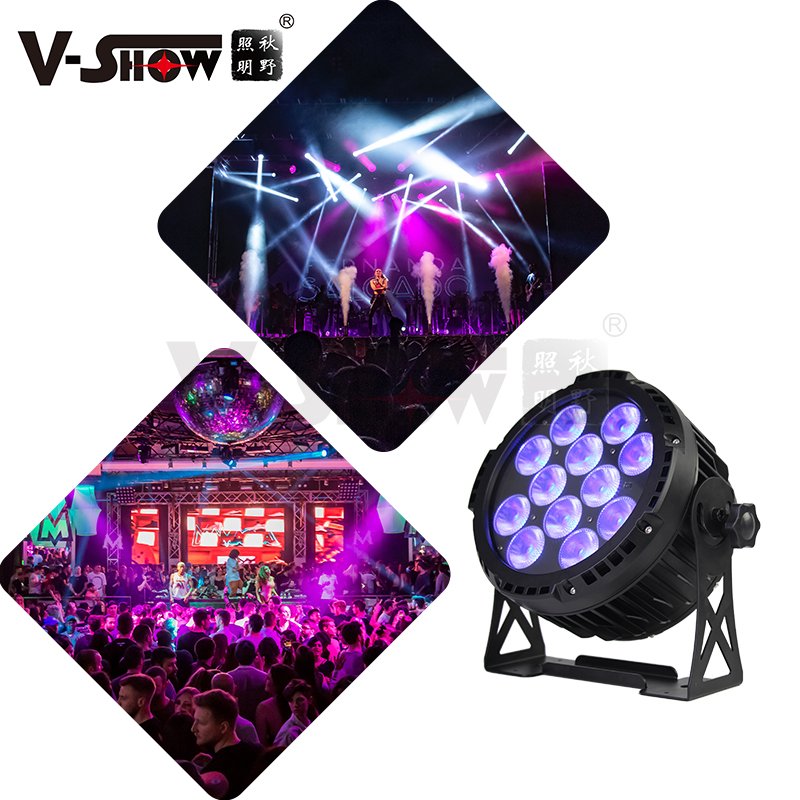
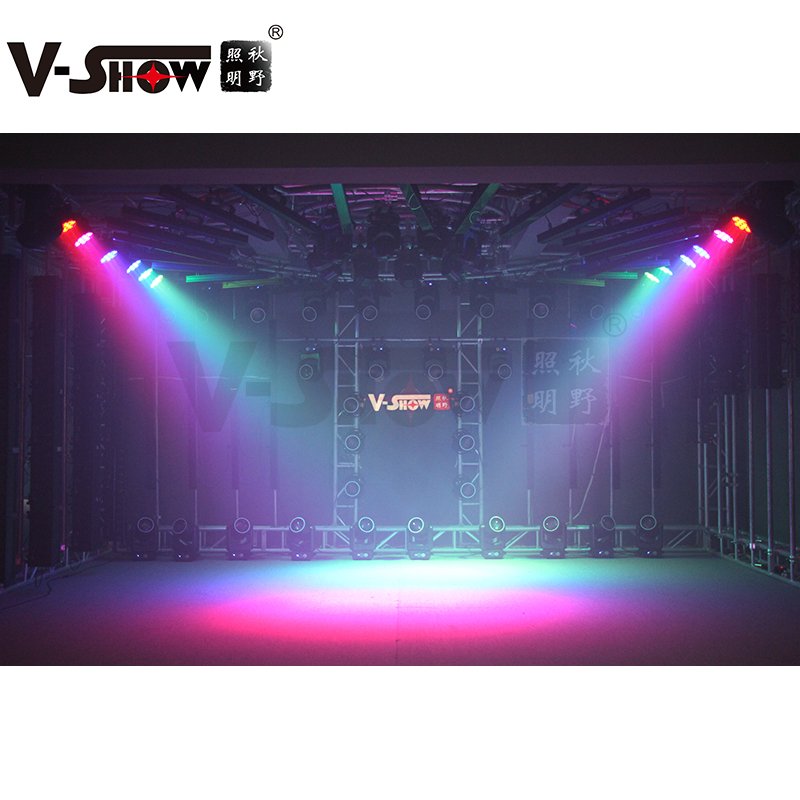
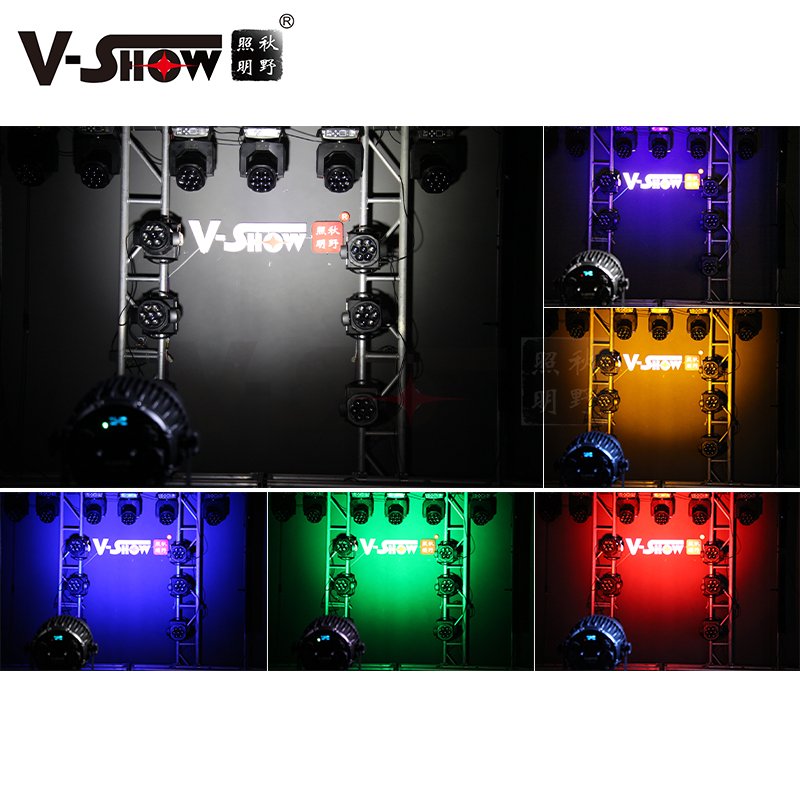
PAR lights are basic components of the stage lighting system, with the core functions of large-area uniform light supplement and basic atmosphere creation. They are suitable for basic lighting needs of various performance venues, and can be called the "standard configuration" of stage lighting.
Core Technical Parameters and Advantages
- Optical characteristics: Adopt fixed parabolic reflectors with concentrated beam angles (common 15°-60°), enabling precise coverage of lighting areas without obvious stray light spots.
- Performance parameters: Mainstream LED models have a power range of 300W-500W, luminous flux ≥15000lm, color rendering index Ra≥80 (Ra≥90 for professional performance level), supporting RGBW four-color mixing or single color temperature output.
- Engineering advantages: Simple installation structure, compatible with Truss systems, wall brackets and other scenarios, plug-and-play, no complicated debugging process, and low operation and maintenance cost.
Key Selection Pitfalls to Avoid
- Power matching misunderstanding: For small venues (single area ≤100㎡), it is strictly prohibited to choose PAR lights with power above 500W, which will easily cause excessive illumination, visual discomfort for the audience and increased energy consumption. It is recommended to plan 1-2 sets of 300W-500W PAR lights per 10㎡.
- Light source type selection: Prioritize LED light sources, with a service life ≥50000 hours, no infrared/ultraviolet radiation, meeting the safety requirements of long-term performances and densely populated venues.
- Beam angle adaptation: Choose 30°-60° beam angles for light supplement scenarios, and 15°-30° narrow beam angles for background atmosphere creation, avoiding blind purchase of large beam angles leading to low lighting efficiency.
Engineering Application Scenarios
Basic lighting for small commercial performances, wedding banquets, small theater stage environment light supplement, campus art performance venue lighting, especially suitable for projects with limited budgets and rigid demand for basic lighting.
2. Moving Head Lights: Precise Selection and Safety Specifications for Stage Dynamic Vision
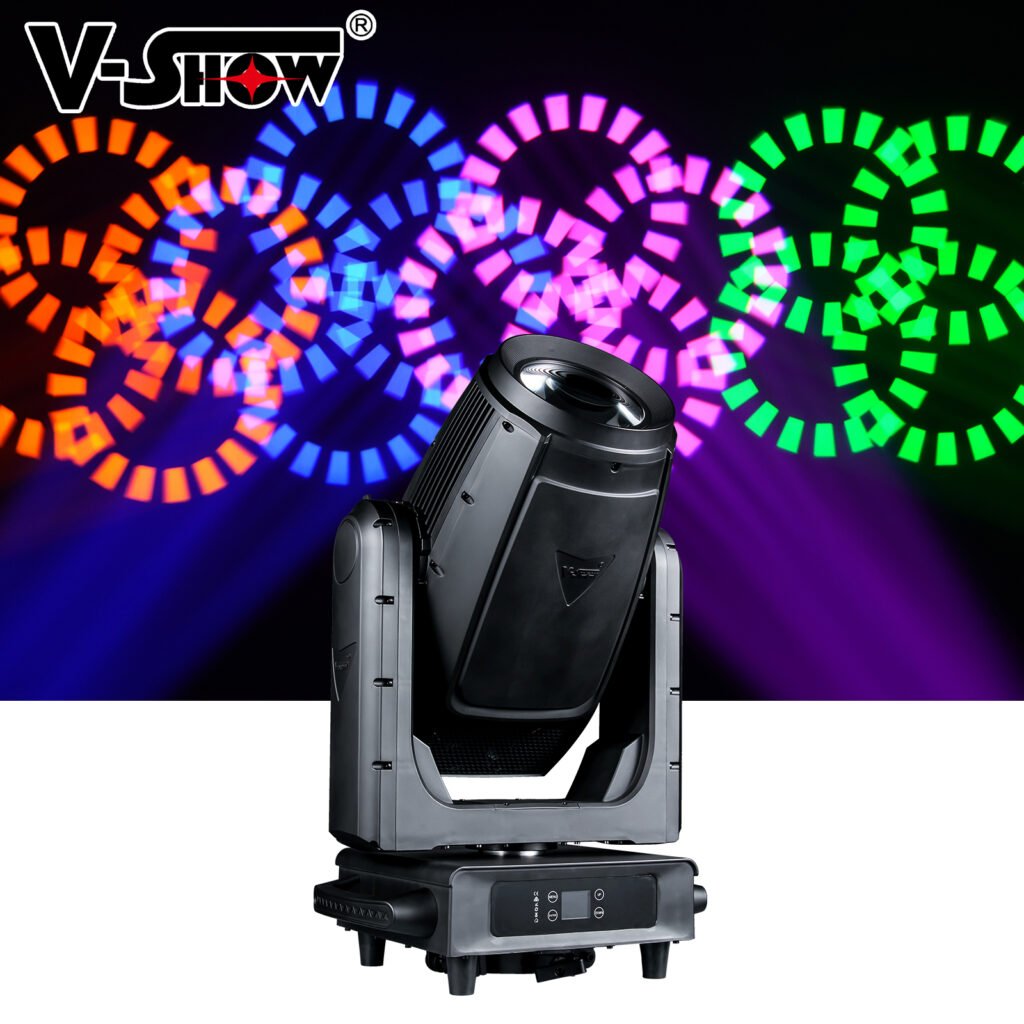
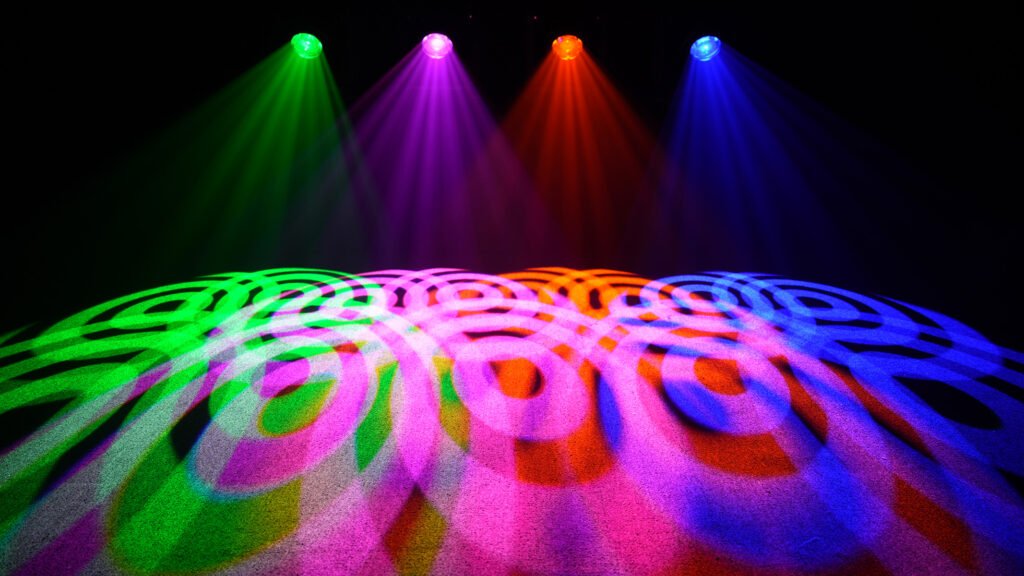
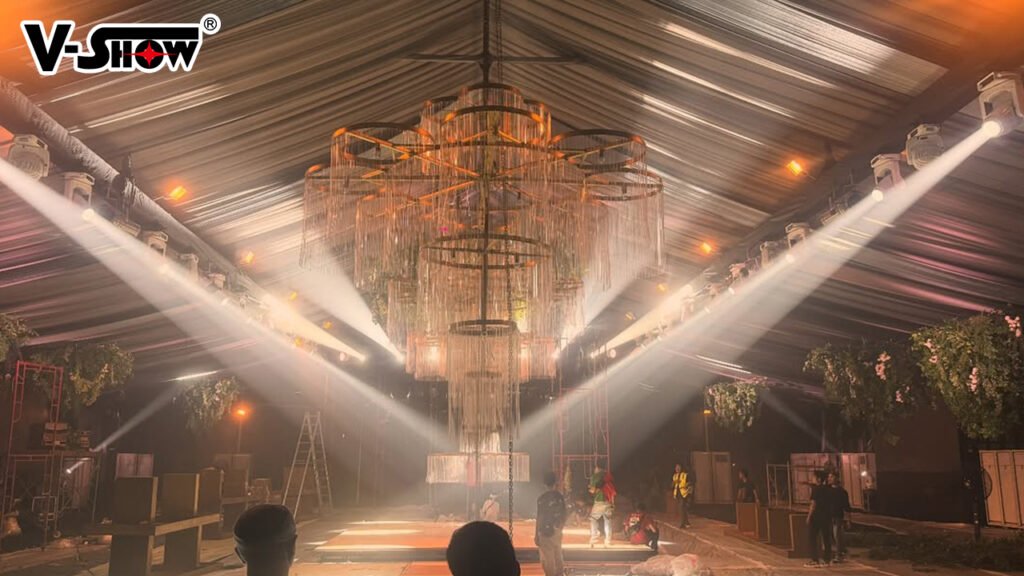
Moving head lights undertake the core functions of stage focus shaping and dynamic atmosphere creation with their rotatable and multi-dimensional beam output characteristics. They are core lighting equipment for large-scale performances and high-end events, but improper selection will easily cause cost waste and potential safety hazards.
Core Technical Parameters and Advantages
- Motion parameters: Horizontal rotation angle ≥360°, vertical rotation angle ≥270°, motion acceleration ≤0.5m/s² (compliant with GB/T 45229-2025 Stage Machinery Safety Standards), stable operation without jamming.
- Optical performance: Support multi-modes such as pattern projection, color mixing and beam switching, pattern resolution ≥1080P, color wheel with ≥14 colors, support CMY color mixing system, realizing rich light and shadow changes.
- Engineering advantages: Remote control of beam angle, color and pattern, flexible dynamic effects, fast focusing on stage core characters or scenes, improving the visual level of performances.
Key Selection Pitfalls to Avoid
- Function redundancy trap: For novice and medium-small venue projects, there is no need to purchase high-end moving head lights with complex functions such as laser and dynamic special effects. Basic models (supporting color mixing and basic pattern projection) can meet the needs, and complex functions require professional debugging, increasing operation and maintenance costs.
- Volume and load matching: When installing on large Truss systems or stage ceilings, strictly check the lamp weight (conventional models ≤8kg) to avoid exceeding the support load range. Pay attention to the heat dissipation performance of lamps and choose models with efficient heat dissipation systems to prevent equipment failure caused by high temperature.
- Safety specification neglect: Must select products compliant with GB/T 45229-2025 standards, equipped with passive mechanical hard stops and overload protection devices, meeting the fire separation and electrical safety requirements of new performance venues.
Engineering Application Scenarios
Large-scale concerts, art performances, commercial celebrations and other scenes that need to highlight stage focus and create dynamic atmosphere, suitable for large performance venues over 200㎡.
3. General Engineering Guidelines for Stage Lighting Equipment Selection
Scenario first, parameter matching
First clarify the performance type, venue area and audience scale, then select the lamp type and core parameters (power, beam angle, luminous flux) accordingly to avoid "overkill" or "insufficient parameters".
Compliance priority, safety first
All lamps must comply with GB/T 45229-2025 Safety Requirements for Theater Technology and relevant regulations of the Ministry of Culture and Tourism for new performance venues, focusing on verifying fire protection, electrical and mechanical motion safety indicators.
Cost controllable, operation and maintenance adaptation
Prioritize LED energy-saving light sources to reduce long-term operating energy consumption. For medium and small venues, select models with simple structure and easy installation and maintenance to reduce professional debugging and maintenance costs.
System compatibility, reserved expansion
Check the compatibility between lamps and existing consoles (DMX512, Art-Net protocol) before purchase, and reserve 10%-20% equipment expansion space to adapt to subsequent performance upgrade needs.