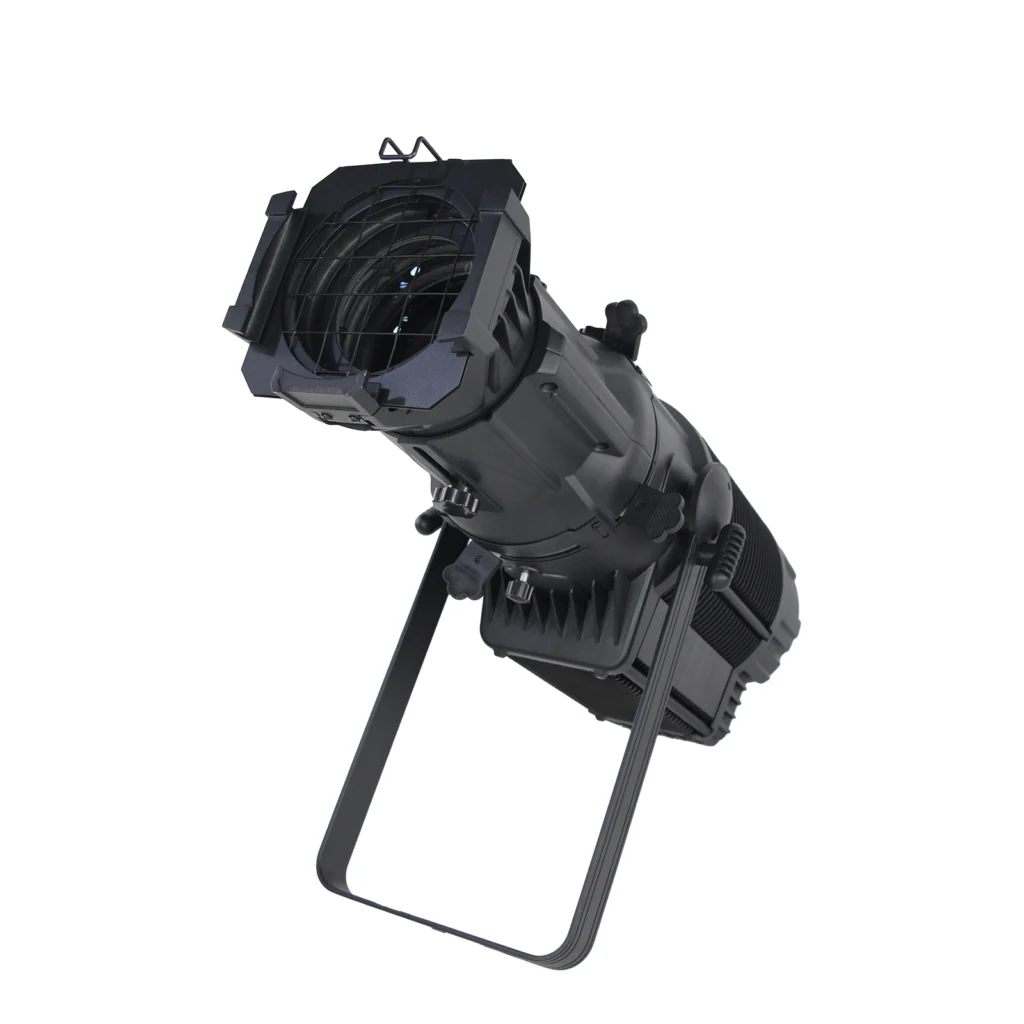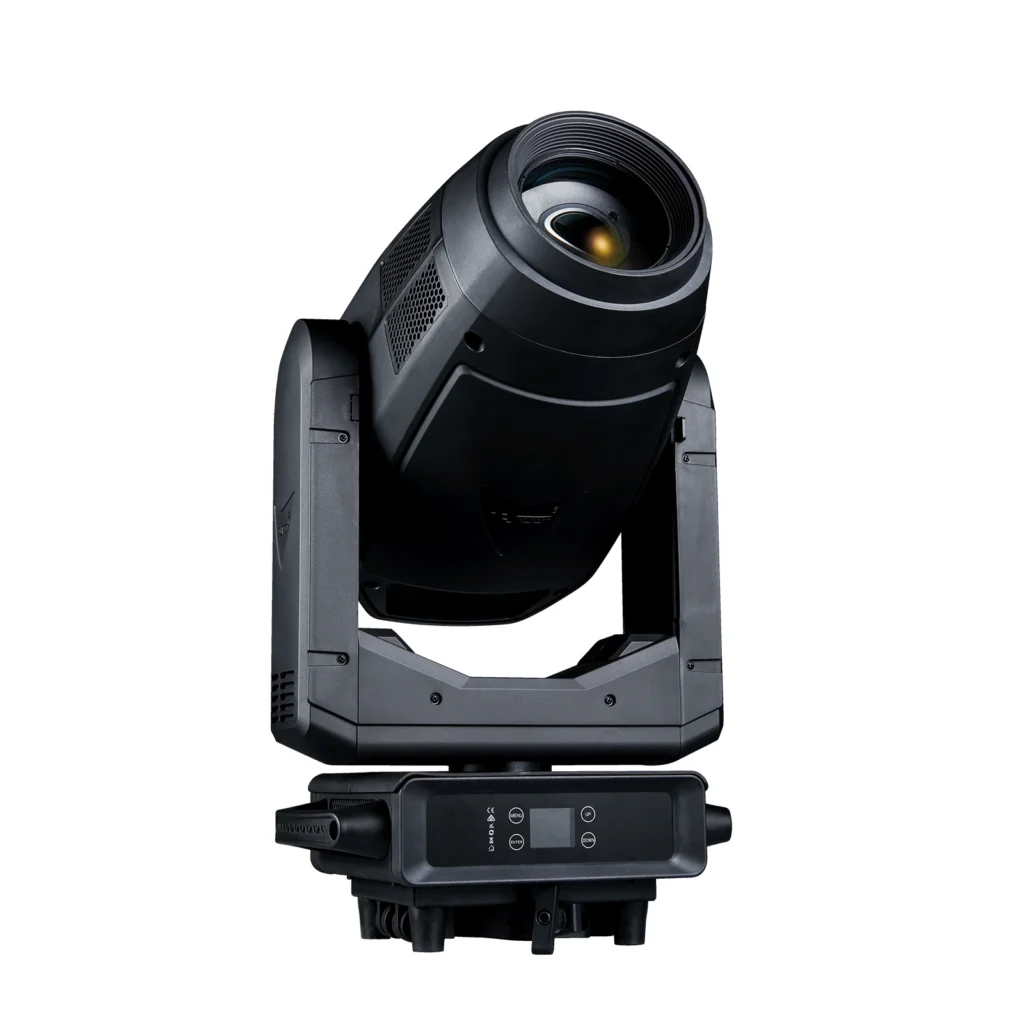
Many buyers are captivated by stylish looks and vivid effects when choosing stage lights, only comparing unit prices while ignoring total lifecycle costs. Stage lighting sees heavy daily use in theaters, tours and commercial events, with ongoing expenses stemming from durability, environmental adaptability, transport damage, routine maintenance and spare parts.
Drawing on real industry experience, this article analyzes hidden costs buyers often overlook, guiding you to evaluate total lifecycle expenses and avoid costly troubles from cheap low-quality fixtures.
Service Intensity
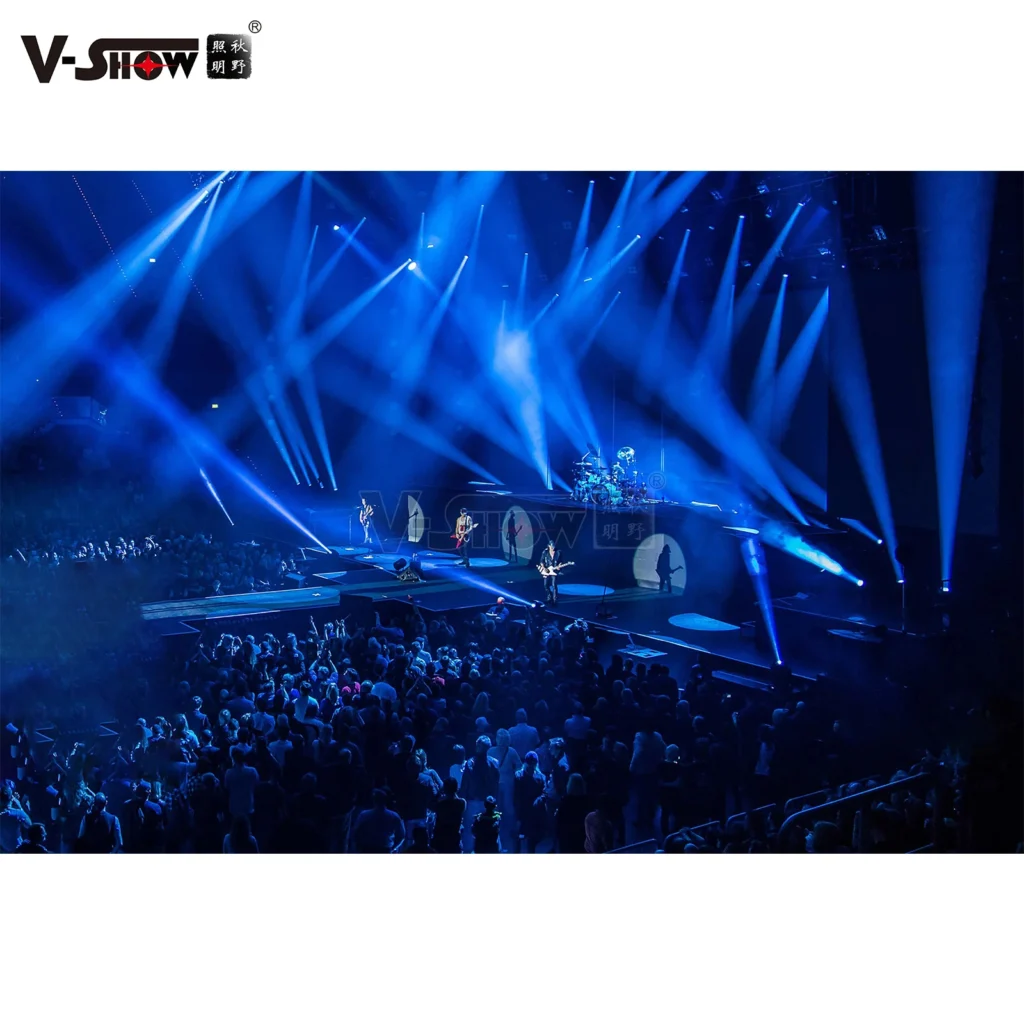
Stage lights are subject to frequent operation, especially in theaters and performance venues where multiple shows may run every day. Frequent use creates constant wear and load on fixtures. Hence durability is a core factor, enabling reliable long-hour operation without frequent replacements or repairs.
Working Environment
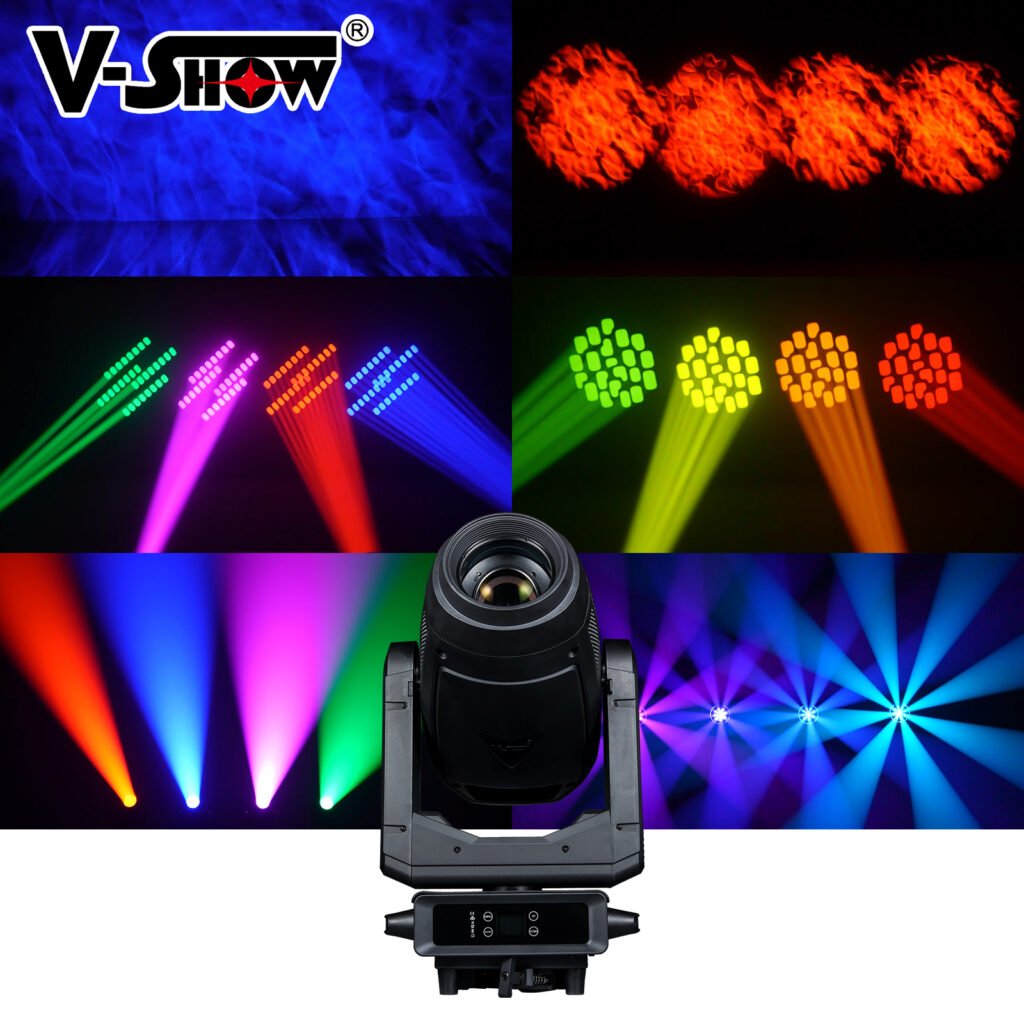
Stage lights operate under harsh conditions, exposed to self-generated heat, dust, humidity and other hazards. Some fixtures must function in high-temperature or damp surroundings, so heat resistance, waterproof and dustproof performance are essential to guarantee stable operation across all working scenarios.
Transportation
Stage lights require constant moving and installation for performances at different venues. Durable fixtures withstand vibrations and impacts during handling and setup, minimizing damage and malfunctions.
Maintenance
Stage lights count as capital investments, so durability directly impacts economic returns. Regular maintenance is mandatory to keep fixtures functional. Poorly designed or low-quality lights demand more frequent, complicated upkeep, driving up maintenance costs and labor workload.
After-Sales Support
After-sales service must be factored in upfront, including technical support, repair services and spare parts supply. Reliable after-sales resources ensure timely professional assistance for breakdowns or technical issues, restoring equipment to normal operation quickly.
Conclusion
When purchasing stage lights, never judge value solely by the upfront purchase price. Long-term ongoing operating costs are the core benchmark for cost performance. Robust, multi-scenario compatible fixtures with easy maintenance and complete after-sales service deliver stable long-term operation, cutting costs on repairs, replacements and show downtime while boosting overall operational efficiency. In contrast, chasing rock-bottom prices leads to mounting hidden expenses later, resulting in net losses.
Stage lighting is a core asset for performances. Evaluating total life-cycle costs represents a professional, rational procurement approach.
Feel free to leave a comment to share your procurement and on-site usage experience.